


Why does vaginal discharge increase after sexual intercourse?
Jul 28, 2021
Source: Cainiu Health

Dr. Lv Aiming
Introduction
1. Physiological factors: During sexual intercourse, women often experience heightened arousal, leading to a temporary increase in estrogen levels. This hormonal surge stimulates increased secretion of cervical mucus and Bartholin’s gland fluid, resulting in an apparent increase in vaginal discharge following intercourse.
2. Pathological factors: For example, vaginitis—commonly caused by unhygienic sexual practices leading to bacterial or fungal infection—or possibly associated with cervical pathology.
During sexual intercourse, hormonal stimulation—particularly elevated estrogen levels—often leads to a noticeable increase in vaginal discharge (leukorrhea). This physiological response serves important functions, including lubrication and protection of the female reproductive tract. However, if the increase in discharge is unusually pronounced and accompanied by other changes—such as alterations in color or odor—it may indicate a pathological condition requiring medical evaluation. So, why does vaginal discharge increase after intercourse? Below, we address this question.
Why Does Vaginal Discharge Increase After Intercourse?
This increase may result from either physiological factors or pathological conditions such as vaginitis or cervicitis. A detailed analysis follows:
I. Physiological Factors
Sexual arousal during intercourse triggers a transient rise in estrogen levels, stimulating increased secretion from cervical mucus glands and the greater vestibular (Bartholin’s) glands—leading to heightened vaginal discharge post-coitus. This phenomenon is especially prominent around ovulation. Generally, such increases are normal and require no concern.
II. Pathological Factors
1. Vaginitis
Poor genital hygiene during sexual activity—or infection with bacteria or fungi—can cause vaginitis, resulting in increased vaginal discharge after intercourse. Additional symptoms may include foul-smelling discharge and external genital itching. Under medical guidance, patients may be prescribed medications such as metronidazole or fluconazole. Maintaining local hygiene and changing undergarments frequently can also help alleviate symptoms.
2. Cervicitis
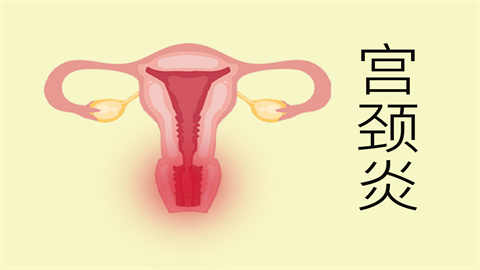
When pathogens invade the cervix, causing cervicitis, inflammation of the cervical mucosa may lead to increased vaginal discharge following intercourse, often accompanied by lower abdominal pain and malodorous discharge. Treatment may include antibiotics such as cefixime or azithromycin, as prescribed by a physician. A light, balanced diet supports recovery.
In addition to the above common causes, cervical polyps and uterine fibroids may also contribute to this symptom. Prompt medical consultation is recommended to identify the underlying cause and initiate targeted treatment.
Knowledge Extension: What to Do When Vaginal Discharge Is Abnormal
Abnormal vaginal discharge can be managed through measures such as minimizing use of external genital cleansers, washing underwear separately, and undergoing regular gynecological examinations. Details follow:
1. Limit Use of External Genital Cleansers
Many women routinely use external genital cleansers to maintain vulvar hygiene. However, excessive use may disrupt the natural microbial balance of the vulva and predispose to gynecological disorders. When selecting underwear, opt for cotton fabrics to promote ventilation and dryness, thereby inhibiting bacterial growth.
2. Wash Underwear Separately
Since underwear comes into direct contact with the external genitalia, it must be kept impeccably clean and hygienic. It should always be washed separately—not together with other clothing—to prevent cross-contamination, which is particularly important for individuals with recurrent fungal vaginitis.
3. Schedule Regular Gynecological Examinations
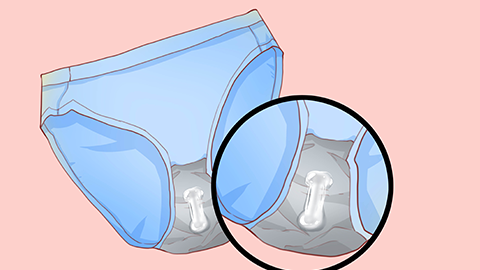
Even in the absence of symptoms, women should undergo comprehensive gynecological examinations at least once annually—a crucial preventive measure against gynecological diseases. Additionally, many women habitually use sanitary liners outside their menstrual periods. Prolonged liner use may increase the risk of gynecological infections; therefore, their use should be minimized whenever possible.
The above outlines the potential reasons for increased vaginal discharge after intercourse. We hope this information proves helpful.



