


How is *Ureaplasma urealyticum* treated?
Aug 11, 2021
Source: Cainiu Health
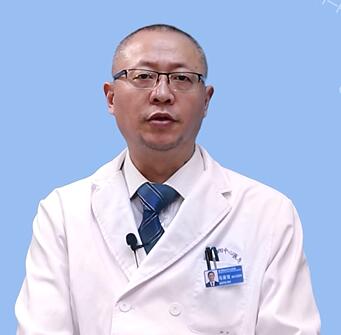
Dr. Ma Fujun
Introduction
1. Pharmacological treatment: Macrolide antibiotics—such as azithromycin or roxithromycin—are generally the first-line choice. In addition to antibiotic therapy, supportive measures—including increased fluid intake and maintaining good hygiene—are also essential.
2. Laser therapy: Currently, laser treatment offers the most effective pathogen eradication for *Ureaplasma urealyticum*-positive cases.
Ureaplasma urealyticum positivity is a urinary tract infection. Unlike sexually transmitted infections (STIs) such as gonorrhea or genital warts/herpes, U. urealyticum infection typically presents with subtle or nonspecific symptoms; nevertheless, it remains an STI that causes urinary tract infection. Therefore, early treatment is essential to minimize potential harm to the body. So, how is U. urealyticum infection treated? Below, we address this question.

How Is Ureaplasma Urealyticum Treated?
1. Pharmacological Treatment
Current treatment primarily involves targeted antimicrobial therapy using antibiotics to which the pathogen is susceptible. Macrolide antibiotics—such as azithromycin or roxithromycin—are generally considered first-line agents. However, with the emergence of increasingly resistant strains, antibiotic selection continues to evolve and advance. In addition to antimicrobial therapy, supportive measures—including increased fluid intake and maintaining good personal hygiene—are also important components of management.
2. Laser Therapy
At present, laser therapy offers the most effective means of eradicating U. urealyticum. However, laser treatment must be performed only at reputable, licensed hospitals. Improper laser application may cause urinary tract injury and potentially impair male urogenital function. Thus, patients considering laser therapy for U. urealyticum infection should first seek care at a qualified medical facility.

Additional Information: Clinical Manifestations of Ureaplasma Urealyticum Infection
1. Incubation Period
The incubation period typically ranges from one to three weeks. Following onset, patients commonly experience urethral burning or stinging. Symptoms such as urinary urgency and frequency vary in severity among individuals, often resulting in significant dysuria. Dysuria tends to intensify when urine is highly concentrated—particularly upon waking—and patients may notice small amounts of mucoid discharge from the urethral meatus.
2. Acute Phase
During the subacute phase, concomitant prostatitis may develop, causing perineal fullness or discomfort, low back pain, and discomfort along the inner thighs. Patients may experience sharp, radiating pain into the inner thighs during voluntary anal sphincter contraction (Kegel maneuver). In women, inflammation typically originates at the cervix and spreads outward, leading to reproductive tract inflammation; rarely, patients report a sensation of vaginal heaviness or pressure.

The above outlines current approaches to treating Ureaplasma urealyticum infection. We hope this information is helpful to you.




