How Is Infant Hernia Treated?
Aug 17, 2021
Source: Cainiu Health
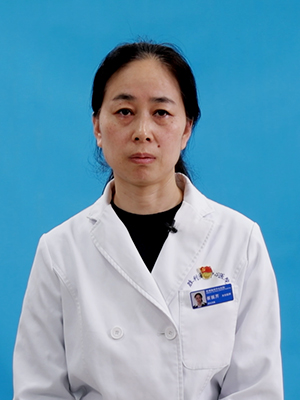
Dr. Cui Zhenqin
Introduction
1. Conservative management: If an infant develops a hernia within the first few months of life, an abdominal binder may be used for protection. Additionally, efforts should be made to minimize crying or straining.
2. Surgical treatment: This is currently the preferred and most effective approach for treating infantile hernias.
3. Postoperative care: Prevent complications such as coughing and constipation following surgery.
Pediatric hernia—commonly referred to as “prolapsed bowel”—is a frequent childhood condition. During embryonic development, a structure known as the “processus vaginalis” forms in the inguinal region; its physiological role is to facilitate descent of the testes into the scrotum or to anchor the round ligament of the uterus. If parents notice signs of hernia in their child, they should promptly take the child to a hospital for evaluation, after which a physician will formulate an appropriate treatment plan. So, how is infantile hernia treated? Below, we address this question.

How Is Infantile Hernia Treated?
1. Conservative Management
Infants diagnosed with hernia within the first few months of life may initially be managed conservatively using an abdominal binder for support. Caregivers should also minimize infant crying and straining, as excessive crying can exacerbate the hernia and impede recovery. In most cases, infantile hernias resolve spontaneously without intervention.

2. Surgical Intervention
If the hernia persists beyond six months of age, progressively enlarges, or becomes incarcerated, physicians typically recommend surgical repair. Surgery remains the most effective and widely accepted treatment for infantile hernia. The procedure requires general anesthesia administered to the infant prior to surgical correction.

3. Postoperative Care
Following surgery, infants often experience transient weakness and diminished immune resistance, increasing susceptibility to common illnesses such as colds. Therefore, attentive parental care is essential to prevent postoperative complications including coughing and constipation. For several days after surgery, infants should remain supine in bed; vigorous physical activity must be avoided for at least three months.
The above outlines current approaches to treating infantile hernia. We hope this information proves helpful.