


Is a woman’s liver located on the left or right side?

The liver is the key organ responsible for detoxifying the human body. When liver detoxification function is impaired, certain symptoms commonly appear—such as constipation, halitosis (bad breath), melasma, acne, and dull or sallow complexion. To support liver health, one should adopt a scientific dietary approach centered on light, bland foods, minimize intake of spicy foods, and maintain good oral hygiene. Adequate rest is also essential to facilitate the elimination of toxins from the body. So, is the liver located on the left or right side of a woman’s body? The following section addresses this question.
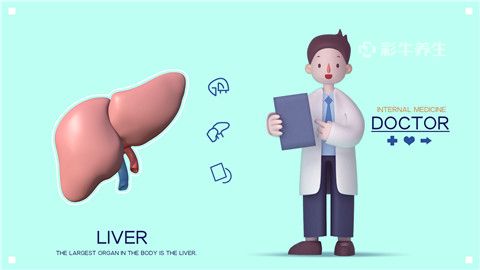
Is the Liver Located on the Left or Right Side in Women?
Generally speaking, the human liver resides within the abdominal cavity—predominantly in the upper right quadrant, with only a small portion extending into the upper left quadrant. It is the largest solid glandular organ in the human body. Anatomically, the liver is divided into left and right lobes; the right lobe is typically larger, accounting for approximately two-thirds of the total liver volume. When liver pathology occurs, patients often experience dull pain or a sensation of fullness or pressure in the upper abdomen—or more specifically, in the right upper quadrant. Most of the liver lies beneath the right hypochondriac region (i.e., the area covered by the lower right ribs), which provides protective bony coverage. Therefore, any abnormal symptoms arising in this region—such as discomfort, tenderness, or pain—should raise suspicion of possible liver injury or disease. Further comprehensive evaluation is thus warranted to prevent adverse impacts on overall health.

Knowledge Extension: Common Symptoms of Liver Dysfunction
1. Persistent Fatigue
Fatigue is a frequent early sign of liver dysfunction, manifesting as generalized weakness and easy exhaustion. As the primary metabolic organ, the liver plays a central role in energy production and nutrient processing; impaired liver function therefore disrupts normal metabolism, leading directly to fatigue. Additionally, compromised liver function may impair coagulation factor synthesis, increasing susceptibility to bleeding—including gingival bleeding, hemorrhoidal bleeding, and upper gastrointestinal bleeding (often presenting as hematemesis or melena).
2. Hepatic Pain
Pain localized to the hepatic region is another common symptom of liver disease. This pain originates from pathological changes in the liver tissue itself and is typically felt in the right hypochondrium or beneath the xiphoid process. Its character may be intermittent or persistent—described variably as dull, aching, or sharp/stabbing. Prior to overt pain onset, patients often report vague discomfort in the right upper abdomen. Furthermore, the intensity of pain may fluctuate over time or resolve spontaneously for short periods.

3. Loss of Appetite
Liver disease frequently causes gastrointestinal disturbances, including decreased appetite, abdominal distension, belching, nausea, and indigestion—with anorexia and bloating being the most prevalent manifestations. Diarrhea is also a relatively common digestive symptom associated with hepatic disorders. Moreover, because liver dysfunction can lead to elevated circulating estrogen levels, it may trigger capillary dilation and result in the development of spider angiomas (spider nevi).
The above discussion clarifies the anatomical location of the liver in women. We hope this information has been helpful to you.


