


Which contraceptive pills are safe and do not harm the body?
Sep 01, 2021
Source: Cainiu Health

Dr. Lv Aiming
Introduction
In general, all contraceptive medications may have adverse effects on the body; however, some contraceptives cause relatively less harm—for example, low-dose estrogen oral contraceptives, progestin-only oral contraceptives, and long-acting contraceptives. It is important to note that individuals may respond differently to medications; even contraceptives considered relatively safe can trigger adverse reactions in certain individuals.
In daily life, many women use contraceptive pills for birth control. Most contraceptive pills contain a combination of estrogen and progestin, which act on different stages of the reproductive process to prevent pregnancy. However, taking contraceptive pills does carry certain health risks. So, which contraceptive pills are least harmful to the body? Below, we address this question.
Which Contraceptive Pills Are Least Harmful to the Body?
Generally speaking, all contraceptive pills may cause some degree of bodily harm; however, certain types pose relatively lower risks—such as low-dose estrogen oral contraceptives, progestin-only oral contraceptives, and long-acting contraceptives. A detailed analysis follows:
1. Low-Dose Estrogen Oral Contraceptives
These pills contain lower doses of both estrogen and progestin, effectively preventing pregnancy while typically causing milder side effects. They can help regulate menstrual cycles, reduce menstrual pain (dysmenorrhea), and improve skin conditions such as acne.
2. Progestin-Only Oral Contraceptives
These pills contain only progestin (commonly norethisterone or dydrogesterone) and no estrogen, making them suitable for women who are allergic to or contraindicated for estrogen. Progestin-only pills generally have minimal impact on breast tissue, liver function, and coagulation.
3. Long-Acting Contraceptives
Long-acting contraceptives include intrauterine devices (IUDs) and contraceptive patches (or vaginal rings). These methods do not require daily dosing but instead provide sustained protection over extended periods. Copper IUDs and hormonal IUDs (releasing progestin) are common options, while contraceptive patches contain only progestin. Long-acting methods typically exert minimal systemic effects and allow for rapid return of fertility after discontinuation.
Please note that individual responses to medications vary significantly; even relatively safe contraceptives may trigger adverse reactions in certain individuals. Therefore, contraceptive selection and use should always be guided by a healthcare professional, based on an individual’s medical history and personal circumstances, and strictly follow prescribed instructions to minimize potential risks.
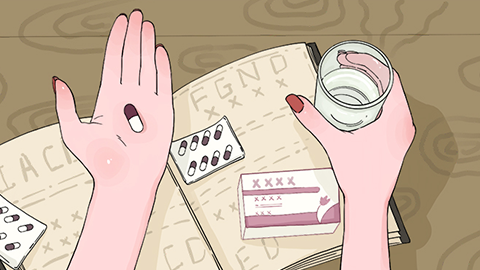
Knowledge Extension: Potential Harms of Contraceptive Pills
1. Headache
Elevated estrogen levels following contraceptive pill use may easily trigger headaches—often attributable to hormonal-induced fluid retention. If headaches become severe, prompt medical consultation is advised. Dietary modifications (e.g., low-salt diet) or diuretic therapy may also help alleviate symptoms.
2. Menstrual Irregularities
Contraceptive pill use may lead to reduced menstrual flow or even amenorrhea (absence of menstruation). Conversely, prolonged use may result in increased menstrual volume or prolonged periods.

3. Early Pregnancy–Like Symptoms
Approximately 50% of users experience symptoms resembling early pregnancy, including loss of appetite, nausea, vomiting, fatigue, and dizziness. These typically occur during the first one to two weeks of use and are associated with estrogen-induced gastric mucosal irritation.
The above outlines contraceptive options associated with comparatively lower health risks. We hope this information proves helpful.



