


What to Do When an Infant or Toddler Has a Fever

During their development—especially around seven to eight months of age—infants gradually lose the passive immunity they acquired from their mothers. As a result, their immune defenses weaken, making them more susceptible to common illnesses such as colds and fevers. Fever in infants and young children warrants close parental attention, particularly when body temperature rises significantly. Prompt fever management is essential to prevent prolonged high-grade fever, which may adversely affect the child’s health. So, what should parents do when an infant or toddler develops a fever? Below, we address this question.
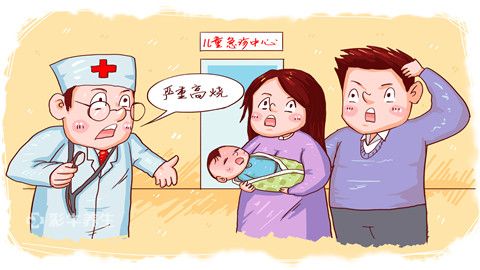
What to Do When an Infant or Toddler Has a Fever
1. Ensure Adequate Hydration
When a child has a fever, heat dissipation often leads to excessive sweating. If fluid loss is not adequately replenished, heat dissipation becomes less efficient, hindering effective fever reduction. Therefore, it is crucial to provide ample fluids to increase urine output and facilitate toxin elimination. This also helps prevent dehydration. Additionally, avoid overdressing the child, as excessive clothing may impede heat dissipation.

2. Tepid Sponge Bath
For fevers below 38.5°C (101.3°F), tepid sponge bathing is one of the most commonly recommended physical cooling methods. Use a soft towel soaked in lukewarm water (~37°C / 98.6°F) to gently wipe the child’s neck, armpits, and groin areas for 5–10 minutes. This method effectively promotes heat loss. Alternatively, cotton swabs dipped in diluted alcohol (e.g., 30–50% concentration) may be used to gently wipe the palms, soles, axillae, and back—enhancing evaporative cooling. While highly effective, alcohol-based sponging is not recommended for very young infants, due to the risk of alcohol absorption and potential toxicity.
3. Use of Fever-Reducing Patches
For fevers under 38.5°C (101.3°F), applying a fever-reducing patch to the forehead is another convenient and effective option. A single patch typically provides sustained cooling effects for 4–8 hours. These patches are easy to use and well-tolerated. However, if the fever persists or escalates rapidly—particularly if high-grade fever continues—prompt medical evaluation and treatment at a healthcare facility are strongly advised.
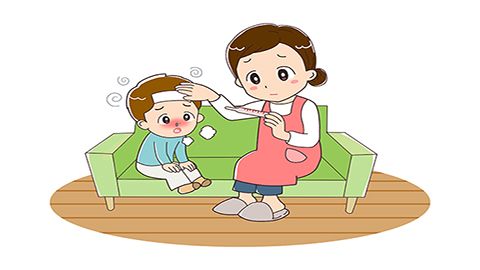
4. Controlled-Cool Environment Method
Place the child in a room maintained at approximately 24°C (75°F) to allow gradual, safe reduction of body temperature. To maximize heat dissipation through skin exposure, dress the child lightly. Where available, air conditioning may be used to regulate ambient temperature. This approach is especially suitable for infants under one month old—and during summer, simply undressing the infant and placing them in a cool, shaded area often suffices to lower body temperature gradually. Note: This method is contraindicated if the child exhibits chills or shivering alongside fever, as it may exacerbate discomfort and impair thermoregulation.
The above outlines practical, evidence-informed strategies for managing fever in infants and toddlers. We hope this information proves helpful to you.


