


How to Determine if a Testicle Is Twisted

Torsion of the testis is a medical emergency. It can be identified by sudden onset of pain, shortening of the spermatic cord, upward displacement of the testis, nausea and vomiting, and marked tenderness. Prompt medical attention is strongly advised, and treatment should be carried out under the guidance of a physician. A detailed analysis follows:
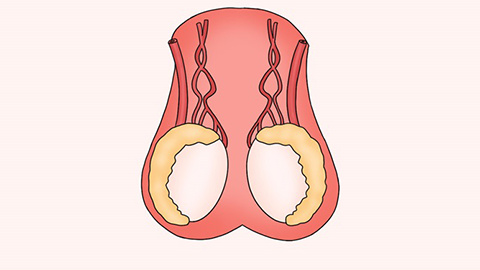
1. Sudden pain: Testicular torsion typically causes abrupt, severe pain that may progressively worsen. Intense scrotal pain—especially if it occurs at night during rest—may indicate testicular torsion.
2. Shortening of the spermatic cord: During torsion, the spermatic cord becomes twisted and knotted, resulting in apparent shortening. This may cause tightening at the base of the scrotum that does not relax.
3. Upward displacement of the testis: Due to twisting of the spermatic cord, the testis may shift position, often moving upward noticeably.
4. Nausea and vomiting: Severe pain from testicular torsion may be accompanied by nausea and vomiting. The presence of these symptoms warrants high suspicion for testicular torsion.
5. Marked tenderness: On physical examination, extreme tenderness and increased firmness of the affected testis are potential signs of torsion.
To help prevent testicular torsion, avoid excessive physical activity that places pressure on the genital organs and prolonged sitting in daily life.


