


What Causes Increased Vaginal Discharge After Menopause?

In general, vaginal discharge (leukorrhea) does not increase after menopause. An increase in discharge typically indicates a pathological condition of the genital tract. In rare cases, it may signal a gynecological malignancy, necessitating comprehensive physical examinations to identify the precise underlying cause and guide appropriate treatment. So, what causes increased vaginal discharge after menopause? Below is a detailed explanation.
Causes of Increased Vaginal Discharge After Menopause
Increased vaginal discharge after menopause may result from: inappropriate medication use, estrogen secretion, atrophic vaginitis (senile vaginitis), or gynecological tumors. Details are as follows:
1. Inappropriate Medication Use
With improved living standards, elderly individuals increasingly consume health supplements. Many anti-aging and nutritional products contain hormonal components; similarly, certain traditional Chinese herbal tonics—especially those targeting kidney function—may contain trace amounts of hormones capable of stimulating postmenopausal vaginal discharge. Therefore, it is strongly recommended that medications be taken only under the guidance of a physician to avoid adverse effects on health.

2. Estrogen Secretion
After menopause, vaginal mucosal hyperplasia accompanied by discharge resembling that seen during the reproductive years often suggests the presence of endogenous estrogen. Occasionally, residual ovarian follicles may become reactivated and secrete estrogen, leading to increased vaginal discharge.
3. Atrophic Vaginitis (Senile Vaginitis)
Following menopause, vaginal mucosa thins, reducing its resistance to infection and mechanical irritation, thereby increasing susceptibility to pathogenic microorganisms. Poor hygiene practices may facilitate infection, resulting in increased vaginal discharge accompanied by local pruritus, burning sensation, and other symptoms. Patients are advised to promptly seek evaluation at a reputable hospital for accurate diagnosis and targeted therapy.
4. Gynecological Tumors
Postmenopausal women presenting with watery, bloody, or purulent vaginal discharge—and whose symptoms fail to improve with standard symptomatic treatment—should be evaluated for possible gynecological malignancies.
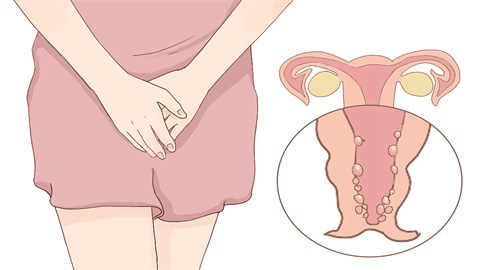
Knowledge Extension: What Diseases Can Be Detected Through Vaginal Discharge Examination?
Generally, vaginal discharge testing can detect conditions such as cervical ectropion (formerly termed “cervical erosion”), vaginitis, and gynecological tumors. Details are as follows:
1. Cervical Ectropion
Cervical ectropion typically presents with yellow, viscous discharge resembling purulent nasal mucus—but without odor. This condition arises primarily from chronic inflammatory stimulation of the cervical epithelium; if left untreated over time, inflammation may progress and worsen.
2. Vaginitis
For example, candidal (yeast) vaginitis manifests as yellow, thick, curd-like or cottage-cheese–like discharge. During hot weather, it may emit an unpleasant odor and is commonly associated with pruritus vulvae, burning sensation, and dysuria. Trichomonal vaginitis, by contrast, produces thin, purulent discharge.
3. Gynecological Tumors
In early-stage cervical cancer, discharge becomes increasingly viscous and abundant. In advanced stages, necrosis of tumor tissue leads not only to further discharge elevation but also to a distinct foul odor. Thus, routine vaginal discharge examination enables detection of numerous gynecological disorders. Regular screening is therefore highly recommended.
The above outlines the potential causes of increased vaginal discharge after menopause. We hope this information proves helpful.


