Treatment of Tinea (Dermatophytosis)
Nov 21, 2021
Source: Cainiu Health
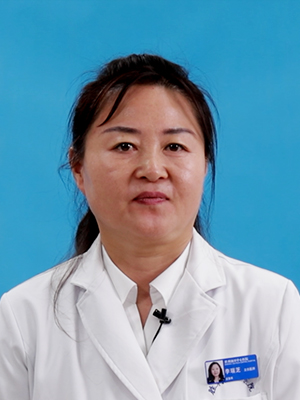
Dr. Li Ruizhi
Introduction
1. Local treatment: Select different antifungal agents based on the clinical subtype—for example, bifonazole cream, ketoconazole cream, or terbinafine cream.
2. Physical therapy: This is the primary physical modality for treating tinea and may be used as monotherapy.
3. Skin care: Patients are advised to incorporate moisturizers (e.g., petroleum jelly) into their daily routine to help alleviate symptoms such as pruritus.
Dermatophytosis—commonly referred to as “tinea” or “ringworm”—is a collective term for fungal infections caused primarily by dermatophytes of the genera Trichophyton, Microsporum, and Epidermophyton. These fungi infect the skin, hair, and nails of humans and animals. Clinical manifestations include tinea capitis (scalp ringworm), tinea corporis (body ringworm), tinea cruris (jock itch), tinea manuum (hand ringworm), and tinea pedis (athlete’s foot). Incidence peaks in summer and declines markedly in winter. So, what are the available treatment options for dermatophytosis? Below, we address this question.

Treatment Options for Dermatophytosis
1. Topical Therapy
Selection of antifungal agents depends on the clinical subtype. Commonly used topical antifungals include bifonazole cream, ketoconazole cream, and terbinafine cream. Other topical preparations—such as compound salicylic acid tincture and compound resorcinol lotion—may also be employed. In addition, systemic antifungal therapy (e.g., itraconazole or terbinafine) may be combined with topical agents to enhance efficacy. However, systemic medications must be prescribed and monitored by a physician. Early diagnosis and prompt treatment are essential to prevent disease transmission.
2. Physical Therapy
Physical modalities constitute a primary therapeutic approach for dermatophytosis and may be used either alone or in combination with topical or systemic antifungals. PUVA (psoralen plus ultraviolet A) phototherapy is indicated for moderate-to-severe cases—including widespread plaque-type psoriasis. Excimer laser therapy is another physical modality shown to promote resolution of dermatophytosis. During active infection, patients are encouraged to engage in controlled sun exposure and heliotherapy, as ultraviolet radiation exerts antimicrobial and antipruritic effects.

3. Skin Care
Patients are advised to incorporate emollients—such as petroleum jelly—into their daily skincare routine to alleviate pruritus and other symptoms. Maintaining adequate skin hydration helps minimize irritation and reduce the risk of psoriasis recurrence. Additionally, patients should avoid spicy, irritating foods and habits such as smoking and alcohol consumption, which may exacerbate disease activity. Cultivating a calm, relaxed mindset and engaging in regular physical exercise are recommended to bolster overall immune resilience.
The above outlines current treatment strategies for dermatophytosis. We hope this information proves helpful.