


What medication should be used for a wound infection with pus formation?

Minor bumps, scrapes, and bleeding injuries are inevitable in daily life. Once the skin is broken and bleeding occurs, prompt wound management is essential. Do not dismiss small wounds as insignificant—improper care may expose the wound to bacterial or viral infection, leading to inflammation, redness, swelling, and even suppuration (pus formation). So, what medications should be used for infected, suppurating wounds? Below is a detailed explanation.
Medications for Infected, Suppurating Wounds
1. Antiseptic Agents
Common antiseptics for wound disinfection include iodine tincture, medical-grade alcohol, and hydrogen peroxide. If a wound shows signs of infection and suppuration, prompt medical attention is required for professional wound debridement and disinfection.
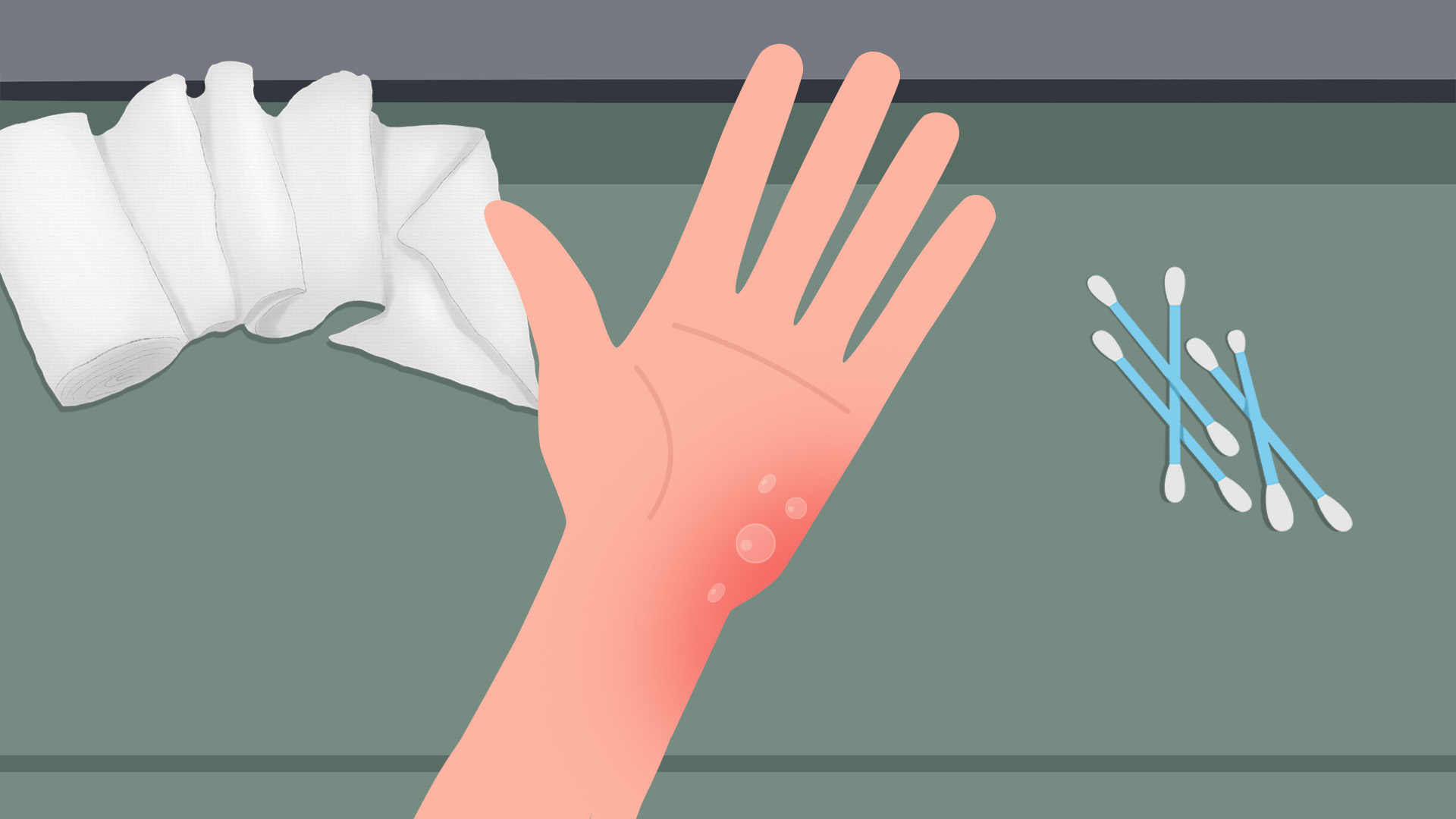
2. Topical Ointments
Topical agents such as erythromycin ointment, oxytetracycline, and necrotic-tissue-removing and granulation-promoting ointments may be applied directly to the wound. Erythromycin ointment and oxytetracycline are primarily indicated for superficial wounds. For deeper infections, necrotic-tissue-removing and granulation-promoting ointments are recommended to facilitate skin tissue regeneration and wound healing.
3. Oral Medications
Prolonged bacterial infection can lead to excessive pus accumulation. In addition to wound cleansing, disinfection, and dressing, oral anti-inflammatory and antimicrobial medications—prescribed by a physician—may be administered to support wound healing. Examples include phenoxymethylpenicillin potassium tablets, amoxicillin capsules, and levofloxacin tablets.
Wound Care for Infected, Suppurating Wounds
Regular Disinfection
After draining pus and applying a sterile dressing, the wound must be regularly disinfected and the dressing changed. Once a minor wound has progressed sufficiently toward healing, continued bandaging is no longer necessary—only routine disinfection is required to accelerate recovery. Patients with more severe wounds should schedule regular follow-up visits to the hospital for professional wound assessment and management.
Dietary Recommendations
Patients with suppurating wounds should consume foods rich in healthy fats to promote wound healing. Zinc-rich foods—including kelp, wood ear fungus, and pork liver—help enhance fibroblast function. Additionally, milk, lean meat, and eggs provide high-quality protein to maintain optimal nutritional status. Avoid seafood (e.g., shrimp, crab, sea fish) and highly spicy or irritating foods, as these may exacerbate inflammation and delay wound healing, thereby impeding overall recovery.
The above outlines common medications and care strategies for infected, suppurating wounds. We hope this information proves helpful.


