How to Treat Mite Infestations Quickly
Dec 03, 2021
Source: Cainiu Health

Dr. Li Ruizhi
Introduction
How to Treat Mites Rapidly:
1. Ensure frequent ventilation—mites thrive in humid, warm environments with cotton, linen fabrics, and dust.
2. Regularly sun-dry clothing and bedding—mites particularly favor cotton and linen fabrics for habitation.
3. Use damp cleaning methods to minimize airborne dispersion of mites.
4. Disinfect affected areas—following mite-induced allergic reactions, apply disinfectant topically to the affected skin.
5. Hormonal (corticosteroid) therapy.
Mite infestation directly affects the skin. Mites are microscopic and invisible to the naked eye; they primarily hide in household furniture—especially bed linens, pillowcases—and on human skin, residing within hair follicles and sebaceous glands. There, they feed on human tissue nutrients and proliferate. Prolonged mite infestation of the skin may lead to various dermatological issues. So, how can mites be treated quickly and effectively? Let’s explore this together.
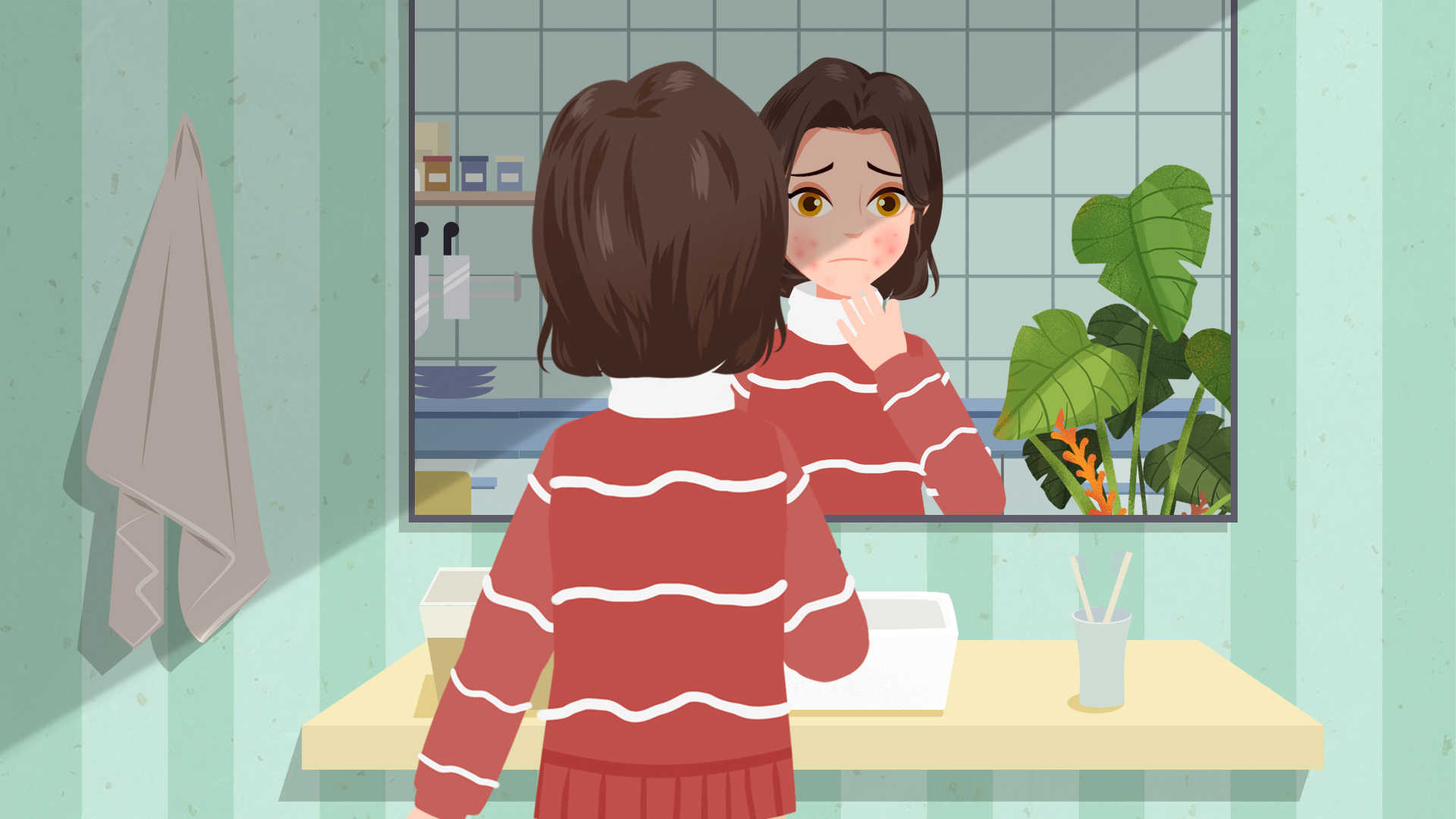
How to Treat Mite Infestation Quickly
1. Ensure Regular Ventilation
Mites thrive in warm, humid environments rich in cotton, linen fabrics, and dust. To thoroughly prevent and control household mite infestations, regularly open windows to ensure adequate ventilation and natural light exposure—especially important when using air conditioning, as indoor air circulation and exchange must be prioritized.
2. Frequently Wash and Sun-Dry Laundry
Mites prefer to colonize cotton and linen textiles. Therefore, regular cleaning and dust removal from clothing and bedding are essential. Bedding should be washed every two weeks using hot water at approximately 50°C. Avoid installing carpets indoors, and refrain from displaying tapestries or other dust-collecting decorative items at home.
3. Use Damp Cleaning Methods
During room cleaning, mites and their fecal particles may become airborne and subsequently inhaled into the bronchi, potentially triggering pronounced allergic reactions. When cleaning, always use damp cloths or specially designed anti-mite wipes to minimize the dispersal of mites via air currents.
4. Disinfect Affected Areas
For localized itching caused by mite allergy, apply a 1–2% menthol or calamine lotion, or 5% camphor ethanol solution to the affected area for disinfection and symptomatic relief. After disinfection, apply appropriate skincare products to maintain cleanliness and dryness of the lesion, thereby preventing secondary pustule formation.
5. Corticosteroid Therapy
In cases of severe skin damage or intense pruritus, topical corticosteroid creams (e.g., prednisolone) may be prescribed. Concurrently, oral antihistamines may be administered. For secondary bacterial infection, topical antibiotic ointments may be applied to alleviate itching and aid in mite eradication.
The above outlines comprehensive strategies for rapid mite treatment. These measures also serve as effective adjunctive therapy for rosacea associated with mite infestation. In daily life, alcohol consumption should be avoided or minimized, as this may help reduce the risk of mite infection.