


What should I do for pain at the urethral opening?

Pain or burning at the urethral meatus may indicate prostatitis or other urinary tract infections. Patients should promptly initiate anti-inflammatory treatment. During therapy, increased fluid intake and a light, bland diet are recommended. Additionally, maintaining proper hygiene of the urethral meatus is essential, followed by targeted treatment based on the underlying infectious cause. Patients experiencing urethral meatal pain should abstain from sexual activity to prevent worsening infection. In men with phimosis, circumcision may be advised. Below is a detailed overview of how to manage urethral meatal pain.
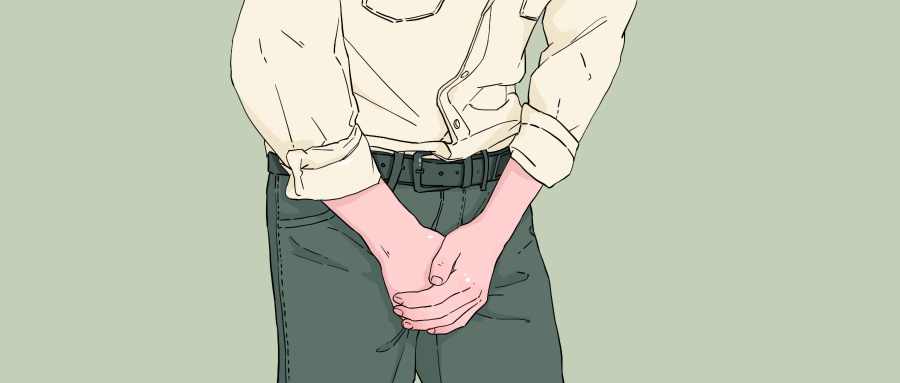
How to Manage Urethral Meatal Pain
1. Increase Fluid Intake
Drinking ample water promotes frequent urination, which helps flush bacteria from the urethra and thereby alleviates dysuria (painful or burning urination). Although this approach works gradually, consistent hydration over several days typically yields noticeable symptom relief.
2. Urine Culture and Antibiotic Sensitivity Testing
Regardless of the suspected cause of dysuria, a midstream urine sample should be collected for culture and antibiotic sensitivity testing. “Midstream” refers to collecting urine after the initial flow has been discarded—this minimizes contamination from external genitalia or foreskin. If bacterial growth is detected, multiple antibiotics are tested for efficacy against the isolated organism. This sensitivity testing identifies which antibiotics are effective—and which are not—against the specific pathogen. Importantly, the urine specimen must be collected prior to initiating antibiotic therapy.
3. Pharmacologic Treatment
In men presenting with dysuria accompanied by perineal discomfort—and possibly fever or chills—acute prostatitis should be considered. First-line antibiotics include fluoroquinolones such as levofloxacin, ciprofloxacin, or moxifloxacin, or sulfonamides like trimethoprim-sulfamethoxazole. If Mycoplasma or Chlamydia infection is suspected, macrolides (e.g., azithromycin or clarithromycin) or tetracyclines (e.g., minocycline) may be selected.
4. Maintain Urethral Hygiene
Urethral cleanliness is critical. Although the male urethra is anatomically deeper, the female urethral opening lies in the vulvar region—making it more susceptible to contamination. Poor hygiene thus increases infection risk in both sexes. Given that urination occurs daily, inadequate cleansing further predisposes individuals to urethral infection.
The above outlines key management strategies for urethral meatal pain.We hope this information is helpful to you.


