Can postpartum stretch marks be removed?
Dec 06, 2021
Source: Cainiu Health
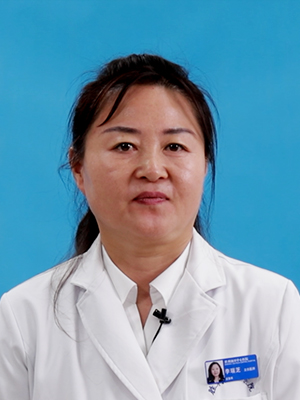
Dr. Li Ruizhi
Introduction
Stretch marks are extremely common among pregnant women. In most cases, postpartum stretch marks cannot be completely eliminated, but they gradually fade over time. Stretch marks develop during pregnancy when abdominal expansion stretches the skin’s elastic and collagen fibers, causing damage or rupture of these fibers—particularly the elastic fibers—resulting in visible linear markings on the skin.
Pregnancy affects women in numerous ways—among them, many develop stretch marks (striae gravidarum). These stretch marks can significantly impact a woman’s physical appearance and self-confidence, prompting many to seek their removal after childbirth. However, effective removal requires appropriate methods and techniques. Below, we outline proven approaches for reducing or managing stretch marks. A common question is: “Can postpartum stretch marks be removed?” We address this question next.

Can Postpartum Stretch Marks Be Removed?
Stretch marks occur in the vast majority of pregnant women. Generally speaking, postpartum stretch marks cannot be completely eliminated, but they typically fade gradually over time. They form during pregnancy when abdominal expansion stretches the skin beyond its elastic capacity, causing damage or rupture of the dermal elastin and collagen fibers. Although their development cannot be entirely prevented, several strategies can help minimize their appearance.
Additional Insight: How to Reduce Postpartum Stretch Marks
1. Strict Weight Management
To effectively reduce the risk and severity of stretch marks, expectant mothers should avoid excessive weight gain. Excess fat accumulation—not only throughout the body but especially around the abdomen—increases the likelihood of stretch mark formation. Moreover, excessive maternal weight gain may also complicate labor and delivery.
2. Enhance Skin Elasticity
Improving skin elasticity can significantly help diminish the appearance of stretch marks. Certain foods support skin elasticity: consume plenty of fiber-rich fruits and vegetables, vitamin C–rich foods, and those beneficial for collagen synthesis. Such a diet helps improve skin quality during pregnancy, enhances elasticity, and supports stretch mark reduction.
3. Engage in Appropriate Physical Activity
To help prevent stretch marks, pregnant women are encouraged to maintain regular, moderate exercise—such as walking or prenatal yoga. Exercise improves overall skin health and circulation, thereby helping to prevent further stretch mark development.
The above outlines whether postpartum stretch marks can be removed—and how best to manage them. We hope this information proves helpful to you.