


How long can a patient with advanced lung squamous cell carcinoma survive?

Lung cancer is widely feared, yet its incidence has risen significantly in modern society. Squamous cell carcinoma of the lung poses a serious threat to patients’ health and life expectancy. As a malignant tumor, squamous cell lung cancer becomes especially debilitating in its advanced stages. So, how long can patients with advanced squamous cell lung cancer survive?
How long can patients with advanced squamous cell lung cancer survive?
The five-year survival rate for patients with advanced squamous cell lung cancer is relatively low, with a median survival time of approximately one year.
Squamous cell lung cancer is a subtype of non-small cell lung cancer (NSCLC). Prognosis strongly depends on the disease stage at diagnosis. When diagnosed at an early stage, some patients may be eligible for surgical resection, resulting in better treatment outcomes and longer survival. In contrast, patients diagnosed at an advanced stage—particularly those whose disease is already metastatic at initial presentation—typically have markedly shorter survival times, with a median survival of about one year. Therefore, early detection and prompt treatment are critical to achieving optimal outcomes, and routine health check-ups should be maintained.
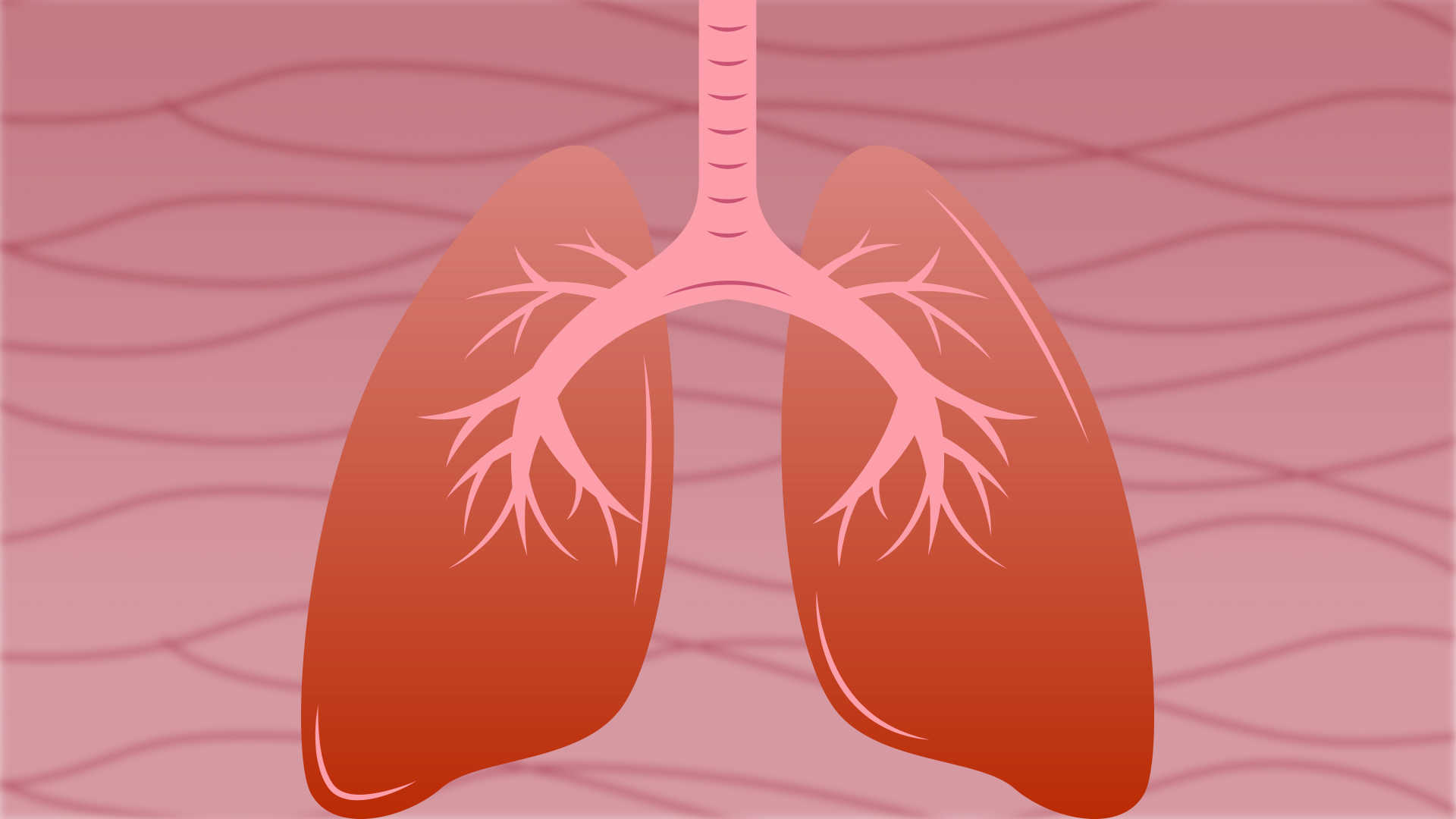
What causes lung cancer?
To date, the exact etiology of lung cancer remains incompletely understood. However, available evidence strongly links long-term, heavy smoking to an increased risk of developing lung cancer. Studies indicate that heavy smokers face a 10- to 20-fold higher risk of lung cancer compared with nonsmokers. Moreover, the younger the age at which smoking begins, the greater the lifetime risk. Smoking not only harms the smoker’s health but also adversely affects those around them, increasing the risk of lung cancer among passive (secondhand) smokers.
As the saying goes, “early detection leads to early treatment.” In early-stage lung cancer, surgical resection is often feasible, followed by dietary adjustments tailored to the patient’s clinical condition. Unfortunately, many patients are diagnosed only after the disease has progressed to an advanced stage. Conventionally, late-stage cancer is managed conservatively, implying a limited life expectancy.
How is advanced lung cancer treated?
In reality, systemic therapies—including chemotherapy, immunotherapy, and molecularly targeted therapy—are the mainstay of treatment for advanced lung cancer. For small-cell lung cancer (SCLC), treatment efficacy tends to be modest; however, with systemic therapy, patients may survive for approximately one year—a relatively favorable outcome. For non-small cell lung cancer (NSCLC), in addition to conventional chemotherapy, immunotherapy and targeted therapy offer additional therapeutic options, potentially extending survival beyond one year.
The above provides an overview of survival expectations for patients with advanced squamous cell lung cancer. We hope this information is helpful. Wishing you good health and happiness.


