


How to Correct Bowlegs

Leg misalignment—such as bowlegs or knock-knees—is quite common in daily life. While some cases stem from congenital factors, others result from poor lifestyle habits, such as frequently crossing legs (i.e., sitting “Indian-style” or “figure-four”), neglecting proper walking posture, and other similar behaviors—all of which may contribute to leg misalignment. When leg misalignment occurs, corrective measures can be undertaken. In severe cases, however, individuals should seek medical evaluation at a hospital for professional diagnosis and treatment. Below, we address the question: “How can leg misalignment be corrected?”
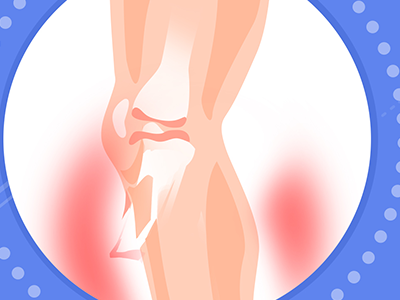
How to Correct Leg Misalignment
1. Adjust Your Walking Posture
Many cases of leg misalignment are acquired due to improper gait. For instance, habitual “duck-footed” walking—where the feet point outward—can gradually distort leg alignment. Therefore, it is essential to consciously correct one’s walking posture: maintain an upright torso with a gently engaged core and straight spine; keep your eyes level and focused forward; allow your arms to relax naturally at your sides, swinging freely; point your toes slightly outward or straight ahead; and take smooth, evenly spaced steps. Initially, this adjustment may feel awkward—even as if you’ve “forgotten how to walk”—but with consistent practice over time, it will become natural and effortless.
2. Perform “Leg-Squeezing” Exercises During Spare Moments
You can easily incorporate corrective exercises into daily routines—for example, while working at your desk or watching TV, place a book between your thighs and gently squeeze inward with your legs. Regular practice not only helps tone and slim the legs but also aids in correcting leg misalignment.
3. Optimize Your Sleeping Position
Many people habitually sleep with legs crossed, yet doing so—especially while lying down—exerts outward pressure on the knee joints, potentially altering leg alignment over time. Similarly, avoid sitting with legs crossed (“sitting Indian-style”) during waking hours, as this posture creates uneven weight distribution across the legs and may contribute to progressive misalignment.
4. Maintain Proper Standing Posture
Avoid standing for prolonged periods with weight borne predominantly on one leg (e.g., the “at-ease” stance). This position places excessive outward stress on the supporting knee joint and increases internal rotation of the tibia, potentially leading to or worsening genu varum (bowlegs).
The above outlines practical strategies for correcting leg misalignment. We hope this information proves helpful to you.


