


Is墨 green stool a sign of colorectal cancer?

It is widely known that we can assess our overall health by observing characteristics of our stool—such as its color and consistency. However, certain dietary habits and other non-pathological factors may also cause sudden, temporary changes in stool appearance. For instance, green stool is often a normal occurrence—especially after consuming large amounts of green vegetables or during episodes of gastrointestinal upset. Therefore,墨green (dark green) stool is not necessarily indicative of colorectal cancer; patients should make informed, rational judgments rather than jumping to conclusions.
Is dark green stool a sign of colorectal cancer?
Dark green stool is not necessarily a sign of colorectal cancer. Consuming large quantities of green leafy vegetables—rich in chlorophyll—can naturally turn stool green. If no substantial intake of green vegetables has occurred, yet the stool appears green, watery or mushy, and emits a sour odor, this may suggest indigestion or intestinal dysregulation. If green stool contains copious mucus, it could indicate acute enteritis.
1. Excessive consumption of green leafy vegetables at one time
Eating an unusually large amount of green leafy vegetables in a single meal may result in green stool—a harmless, transient physiological response. If green stool occurs only occasionally and not repeatedly, there is generally no cause for concern.
2. Spleen-stomach disharmony
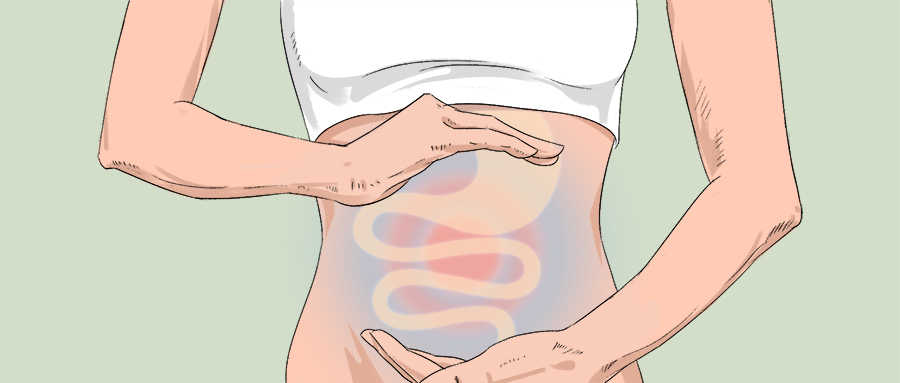
Poor gastrointestinal function—manifested by postprandial gastric discomfort—may lead to green stool accompanied by frothiness and a sharp, sour odor. This is commonly attributable to spleen-stomach disharmony. In such cases, focus should be placed on regulating spleen and stomach function through diet: consume stomach-soothing foods like millet porridge or corn porridge, and avoid rich, greasy foods (e.g., fatty meats) until gastrointestinal function recovers and stool color returns to normal.
3. Excessive alcohol consumption
Excessive alcohol intake—especially when combined with sleep deprivation and mental fatigue—can suppress immune function, allowing viruses and bacteria to invade the intestinal tract and disrupt normal bowel function, potentially resulting in abnormal stool.
What causes dark green stool?
When stool is acidic, bile within it reacts with oxygen in the air to form green pigments. Bile contains bilirubin—a yellow pigment—which normally imparts a yellowish hue to stool. Upon oxidation, bilirubin converts into biliverdin, turning stool green. When freshly passed stool (e.g., in a diaper) contacts atmospheric oxygen, bilirubin oxidizes into biliverdin, causing the stool surface to appear green. Additionally, under the influence of *Bifidobacterium bifidum*, the intestinal environment becomes acidic, promoting oxidation of bilirubin within the colon itself—resulting in green stool upon excretion. Thus, green stool is not abnormal; it is a common, benign physiological phenomenon and does not warrant undue concern.
The above outlines key points regarding whether dark green stool indicates colorectal cancer. We hope this information is helpful—and wish you good health and happiness.


