


What Causes Cervical Cancer?

Cervical cancer is a disease that instills considerable fear among many women. Not only can it significantly impair a woman’s fertility, but if it progresses to an advanced stage—characterized by cancer cell dissemination and metastasis—it may even threaten the patient’s life. There are numerous causes of cervical cancer; understanding these etiological factors can help reduce the risk to some extent. Below are the common causes of cervical cancer.
What Causes Cervical Cancer?
1. Relationship with Sexual Activity and Marital Status
Women who initiate sexual activity before age 18 have a fourfold higher incidence of cervical cancer compared with those who begin sexual activity after age 18. Furthermore, women who start sexual activity early and concurrently suffer from sexually transmitted infections (STIs) such as syphilis or gonorrhea face a sixfold increased risk of developing cervical cancer relative to healthy women. It has been confirmed that women who have had sexual relations with multiple partners are at greater risk for cervical cancer, whereas cervical cancer is exceedingly rare among virgins.
Unmarried and nulliparous women have a very low risk of developing cervical cancer. Conversely, women who marry multiple times exhibit a higher incidence of cervical cancer. Multiple pregnancies coupled with poor perinatal care or complications during delivery also elevate cervical cancer risk. However, multiple childbirths alone do not inherently increase the risk of cervical cancer.
2. Relationship with Spousal Factors
Some researchers suggest that wives of men with phimosis or redundant prepuce face a relatively higher risk of developing cervical cancer. Additionally, a woman’s risk increases if her husband has penile or prostate cancer, if his previous wife had cervical cancer, or if he has had multiple sexual partners.
3. Viral or Fungal Infections
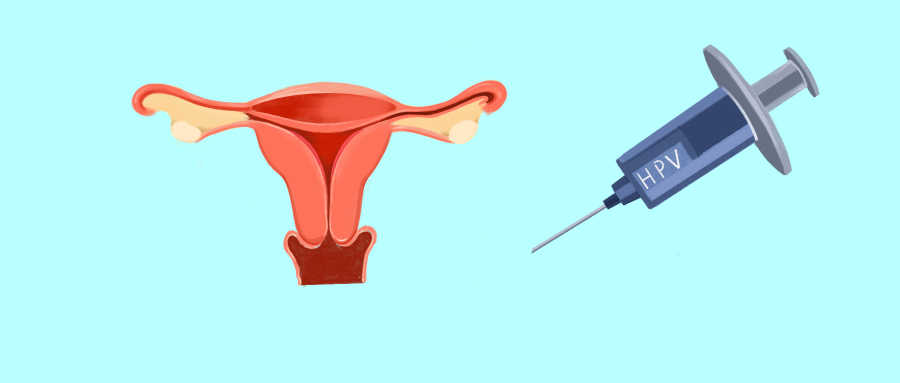
Infection with herpes simplex virus type II (HSV-2), human papillomavirus (HPV), human cytomegalovirus (HCMV), or certain fungal pathogens may be associated with cervical carcinogenesis. However, the precise primary causative virus—and whether synergistic interactions among multiple viruses contribute to cervical cancer development—remains unclear and requires further investigation.
4. Socioeconomic Status and Smoking
Cervical cancer occurs more frequently among women of lower socioeconomic status. Smokers face approximately twice the risk of developing cervical cancer compared with nonsmokers. Moreover, geographic location and regional lifestyle differences may influence cervical cancer incidence. Impaired immune function and adverse psychological factors in women are also associated with increased cervical cancer risk.
The above outlines the primary etiological factors associated with cervical cancer. We hope this information is helpful to you. Wishing you good health and a happy life.


