


How to Prevent Hand, Foot, and Mouth Disease
Dec 15, 2021
Source: Cainiu Health

Dr. Zhou Fang
Introduction
How to Prevent Hand, Foot, and Mouth Disease:
(1) During the epidemic season, ensure good ventilation in classrooms, dormitories, and other indoor spaces.
(2) Clean and disinfect toys, personal hygiene items, and tableware daily.
(3) Staff members should wear gloves when performing cleaning or disinfection tasks—especially when cleaning toilets—and must wash their hands immediately after completing cleaning activities.
Hand, foot, and mouth disease (HFMD) is a common viral infection caused by enteroviruses, primarily transmitted through direct or indirect contact. Therefore, if someone around you has HFMD, maintain distance; if you yourself develop the disease, isolate yourself for treatment. Prevention of HFMD should be thorough and proactive—both children and adults need to take preventive measures in advance. As we are now entering the peak season for HFMD, please implement preventive measures promptly.
How to Prevent Hand, Foot, and Mouth Disease
HFMD is caused by a group of enteroviruses. Infected children and asymptomatic virus carriers serve as the primary sources of infection. Their saliva, vesicular fluid, and feces contain high concentrations of virus, which can contaminate hands, towels, handkerchiefs, drinking cups, toothbrushes, toys, eating utensils, and clothing.
Infants and young children may become infected orally by contacting or drinking contaminated water. Viruses present in the pharyngeal secretions of infected children can contaminate surrounding air via coughing, sneezing, or speaking. Inhalation of this virus-contaminated air after contact with an infected child may lead to transmission. HFMD cases begin increasing in April–May each year, peak during July–August, and predominantly affect children under five years of age—especially those aged one to three years, who have the highest incidence rate.
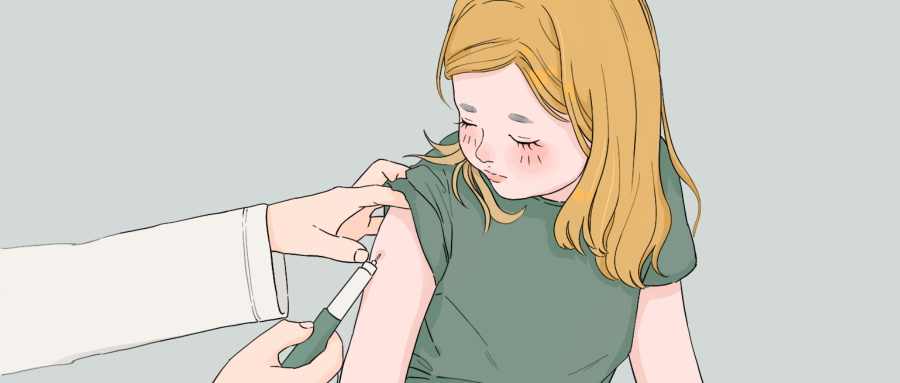
Prevention of HFMD in Kindergartens:
(1) During the epidemic season, ensure adequate ventilation in classrooms and dormitories;
(2) Daily cleaning and disinfection of toys, personal hygiene items, and tableware;
(3) Staff must wear gloves when performing cleaning or disinfection tasks (especially in restrooms); hands must be washed immediately after completing cleaning tasks;
(4) Essential disinfectants include iodine tincture and sterile cotton balls.
Prevention of HFMD by Parents:
1. Wash infants’ and young children’s hands with soap or hand sanitizer before meals and after using the toilet or returning from outdoors. Avoid giving them untreated water or raw/cold food, and minimize their contact with infected children.
2. Always wash your hands before handling children, after changing diapers, and after managing feces—and dispose of soiled materials appropriately.
3. Thoroughly clean and sterilize bottles and pacifiers before and after use.
4. During HFMD outbreaks, avoid taking infants and young children to crowded public places with poor air circulation. Maintain good household hygiene: ventilate living spaces regularly and frequently air out bedding and clothing.
The above outlines key strategies for preventing hand, foot, and mouth disease. We hope this information proves helpful to you.





