


What are the complications of hordeolum?

Styes (hordeola) are becoming increasingly common in daily life. They can occur at any age, with both adults and children being particularly susceptible. Fortunately, styes are generally not cause for excessive concern—prompt and cooperative treatment under medical supervision typically leads to full recovery. However, early detection and timely intervention are crucial. Treatment should be sought at a reputable, professional medical facility; otherwise, complications or sequelae may easily develop.
What Are the Potential Sequelae of a Stye?
Styes are most commonly caused by Staphylococcus bacterial infection. During active infection, localized redness, swelling, congestion, and tenderness appear on the eyelid. A firm nodule may be palpable near the lid margin; preauricular lymph nodes may become enlarged and tender. Some patients even experience systemic symptoms such as chills, fever, and general malaise. After several days, a yellowish pustular point emerges at the base of the affected eyelash follicle.
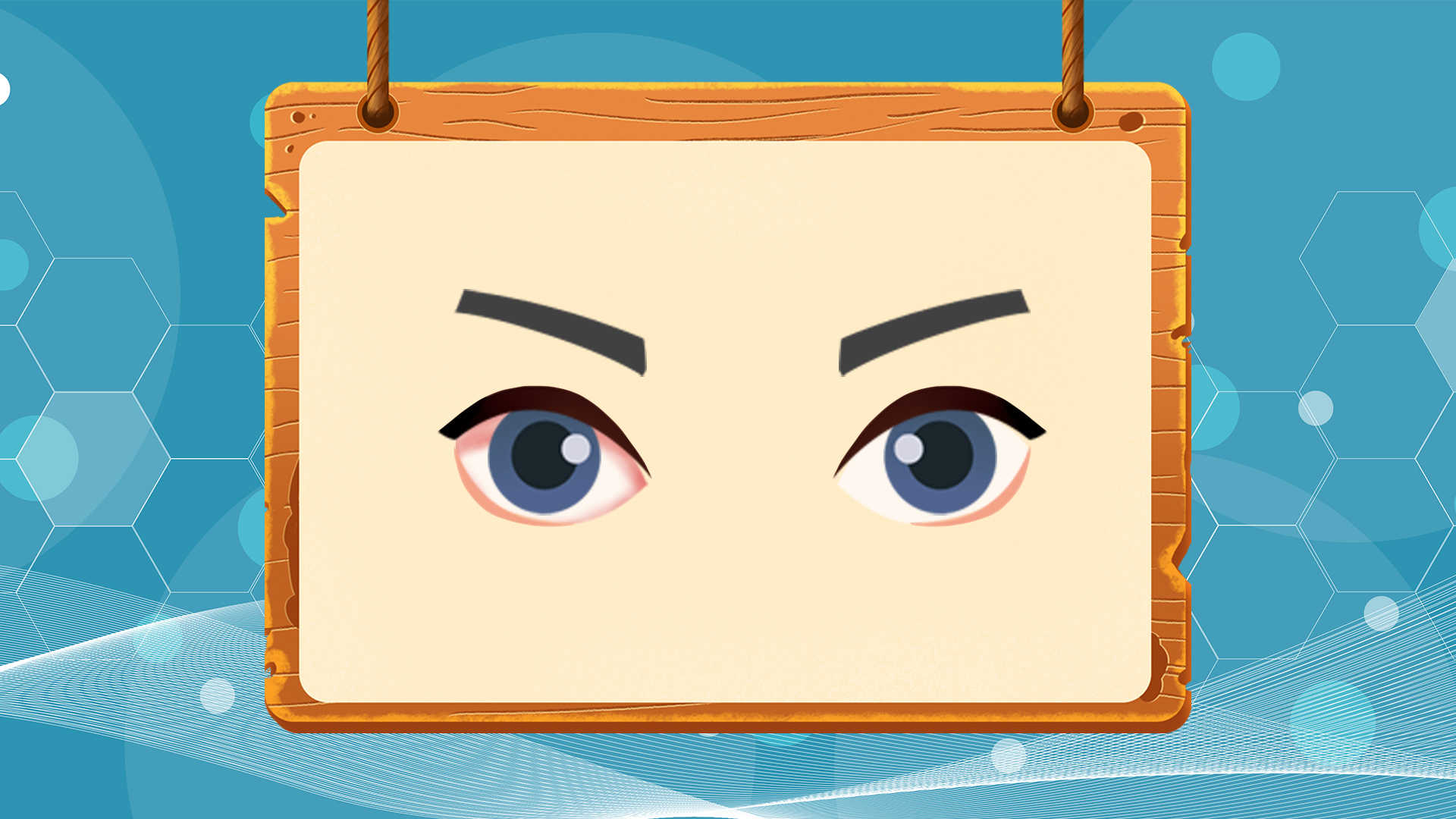
Styes are classified into two types: external (outer) and internal (inner) hordeola. In external styes, spontaneous rupture and drainage of pus may lead to scarring and subsequent eyelid deformities—including ectropion (outward turning), lagophthalmos (incomplete eyelid closure), or other structural abnormalities—thus warranting special attention. Internal styes, also known as meibomian gland infections (meibomianitis), initially present with eyelid erythema and swelling. Due to the deeper location of the meibomian glands, pain tends to be more severe. Before abscess rupture, a yellow pustular head is often visible on the conjunctival surface of the eyelid. If the causative bacteria are highly virulent, inflammation may spread throughout the tarsal plate before outward perforation occurs, resulting in a diffuse eyelid abscess.
During the acute phase, warm, moist compresses applied to the affected area using a clean towel are recommended—5–8 times daily for 15–20 minutes each session—to enhance local blood circulation, promote resolution of inflammation, and alleviate symptoms. Shortwave diathermy may also accelerate absorption of inflammatory infiltrates and induration—or facilitate suppuration. With timely and appropriate treatment, most cases resolve favorably or achieve complete recovery.
It is critically important to emphasize that neither external nor internal styes should ever be manually squeezed or compressed to drain pus. Doing so risks retrograde spread of bacteria and toxins, potentially triggering serious complications. Furthermore, incision should never be performed prematurely—i.e., before the abscess has fully matured—and squeezing must be strictly avoided both before and after incision. Because the veins of the eyelids and face lack valves, such manipulation may allow infection to disseminate rapidly, leading to orbital cellulitis, sepsis, or cavernous sinus thrombophlebitis—conditions that can be life-threatening.
The above outlines potential sequelae associated with styes. With prompt and proper treatment, most patients recover fully without lasting complications. Nevertheless, during treatment, eye protection remains essential. Diet should remain light and bland; spicy, stimulating, or “heat-inducing” foods (e.g., seafood, lamb, alcohol) should be avoided, as they may impede healing. Maintaining good ocular hygiene in daily life is also vital to prevent recurrence or secondary infection.


