


Methods to Remove Vertical Forehead Lines Between a Woman’s Eyebrows

It is common to observe vertical lines—typically two or three in number—running down the center of some women’s eyebrows. These lines are not age-specific and usually result from habitual frowning during times of stress or worry. Their presence can make the eye sockets appear overly prominent, giving an impression of aloofness or inaccessibility, and diminishing the soft, feminine charm typically associated with a smooth, unlined brow. Fortunately, numerous effective methods exist to reduce or eliminate these vertical glabellar lines; women simply need to select the most convenient option for themselves.
Methods to Reduce Vertical Glabellar Lines
1. Maintain Facial Hydration
Before performing any pressure-based techniques, thoroughly cleanse the face and apply a light moisturizer. This ensures smoother, more flexible application of cotton swabs and helps prevent skin irritation or damage.
2. Apply Pressure Below the Eyebrows at Three Key Points
Gently hold a cotton swab between your fingers and apply gentle pressure beneath the inner brow (brow head), the highest point of the arch (brow peak), and the outer end (brow tail). Continue until you feel mild warmth in the area.
3. Apply Pressure Above the Eyebrows
First, apply gentle pressure directly above the brow peak. Then, move approximately two centimeters upward from that point and apply firmer pressure until a mild warming sensation is felt.
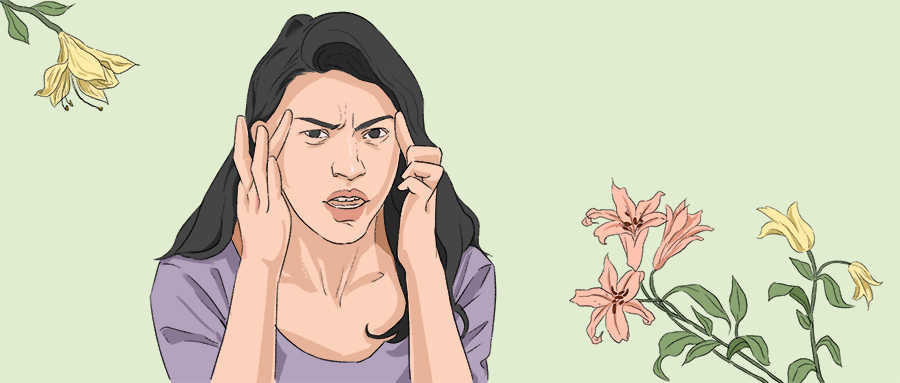
4. Temporal Pressure (Temple Massage)
The temples are major acupressure points. Massaging them promotes overall relaxation, alleviates physical and mental tension, reduces fatigue, and supports restful recovery.
5. Circular Pressure on the Glabella
Begin by relaxing your mind and body. Using a cotton swab, gently massage the glabella (the area between the eyebrows) in slow, spiral motions until you feel localized warmth.
6. Radiofrequency Skin Tightening for Glabellar Line Reduction
During radiofrequency (RF) skin tightening treatment for glabellar lines, patients typically experience a strong but tolerable heating sensation as energy penetrates the deeper layers of the skin. Treatment duration varies depending on the size of the treated area—larger areas require longer sessions. For example, treating the forehead alone takes approximately 20 minutes, whereas a full-face session generally lasts about one hour.
Mild redness and swelling may occur immediately after RF treatment but usually subside within one hour. Patients do not need to take time off work or restrict daily activities; they may resume normal routines immediately. Post-treatment care includes gentle cleansing with a mild cleanser, enhanced hydration and sun protection, and use of targeted skincare products to optimize and maintain results.
The methods described above are suitable for all women. For faster, more noticeable results, radiofrequency skin tightening is recommended. However, if glabellar lines are mild, non-invasive options such as facial massage and hydration may suffice—though consistent, long-term adherence is required to achieve visible improvement. Patience and persistence are essential.


