


How long does a raised scar take to flatten?

Many people have scars. Under normal circumstances, if a wound is not properly cared for after injury, healing may be suboptimal, leading to scar formation—and sometimes even hypertrophic scarring. Hypertrophic scars—commonly referred to as “raised” or “bulging” scars—can significantly affect one’s appearance. How long does it typically take for a raised scar to flatten?
How long does it take for a raised scar to flatten?
1. Once formed, hypertrophic granulation tissue will not resolve spontaneously—except in very mild cases, where gentle massage over the course of up to one year may help gradually fade the scar. However, most hypertrophic scars will not regress on their own. If hypertrophic granulation tissue has developed, prompt intervention is essential; delay or passive waiting is not advisable. Surgical excision remains the only reliable method to completely remove such scars.
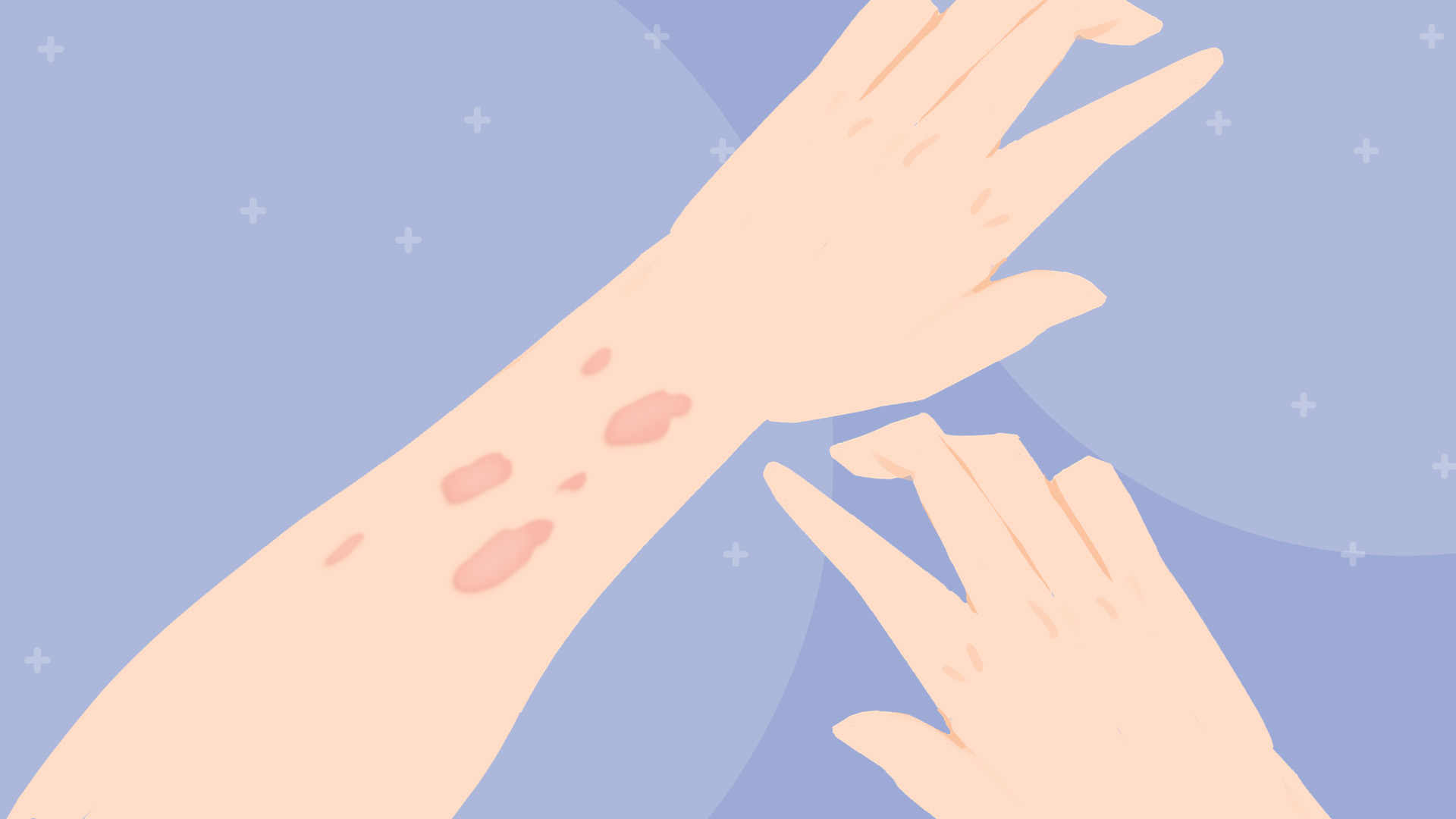
2. Skin suturing or dermabrasion surgery can also be used to treat hypertrophic scars. This approach is particularly suitable for broader or longer scars—including those resulting from burns. Dermabrasion rapidly flattens raised scars, but often leads to significant post-procedural skin discoloration (e.g., uneven pigmentation).
3. Another highly effective surgical option—though more costly—is called “scar release with partial reconstruction.” This procedure involves complete excision of cord-like or linear hypertrophic scars, followed by reconstruction using adjacent healthy skin grafts, often employing a cross-transposition technique. This method minimizes visible pigment discrepancies and yields more natural cosmetic outcomes.
Once hypertrophic granulation tissue has formed, timely and appropriate management is critical. Treatment must strictly follow the physician’s recommendations. Postoperative care—including dietary adjustments and vigilant prevention of scar recurrence—is equally important. Wearing a pressure garment or silicone gel sheet is strongly advised. Once the wound is no longer painful, gentle massage with lavender essential oil or similar agents may be performed to enhance local blood circulation and accelerate epidermal microcirculation.
In fact, preventing scar formation begins immediately after injury—with diligent, evidence-based wound care. Although raised scars pose no direct threat to physical health, they can compromise aesthetic appearance and self-image. Scars located in discreet or concealed areas generally cause less concern and may require no intervention beyond routine monitoring.


