


How to Treat Premature Ejaculation?
Premature ejaculation (PE) is a distressing condition for many men, significantly impacting their physical and psychological well-being. So, how can this challenging issue be effectively addressed?
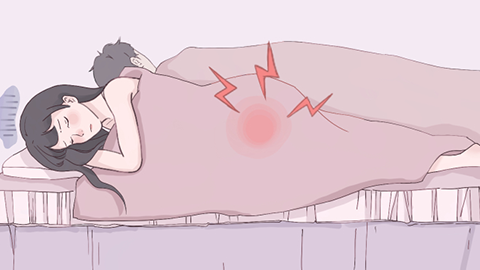
How to Treat Premature Ejaculation
Medication is one treatment option for premature ejaculation. Currently, combination therapy is commonly adopted: selective Western pharmaceuticals may be prescribed to enhance patients’ self-confidence, while traditional Chinese patent medicines are used concurrently to regulate the endocrine system. This integrated approach—combining Western and traditional Chinese medicine—offers effective therapeutic outcomes. Commonly prescribed Western medications include tadalafil (Cialis®) and sildenafil (Viagra®); traditional Chinese medicines typically focus on kidney-tonifying formulations. Concurrent use of both types of medication often yields excellent results.
What Is Premature Ejaculation?
Premature ejaculation refers to the inability of a man to control ejaculation during sexual intercourse—often occurring immediately upon vaginal penetration. In some cases, ejaculation happens even before penile insertion. Clinically, PE is diagnosed when, under regular sexual activity, the intravaginal ejaculatory latency time (IELT) consistently falls below two minutes for over two months.
Causes of Premature Ejaculation
Some men begin frequent masturbation during adolescence, leading to heightened glans sensitivity and subsequent difficulty controlling ejaculation during intercourse. Anatomical or inflammatory conditions—including phimosis, balanitis, or prostatitis—if left untreated, may also contribute to PE. Psychological factors play a significant role as well: excessive tension or anxiety, prior negative sexual experiences, insufficient sexual technique, or feelings of inferiority stemming from excessive fear or apprehension toward one’s partner can all trigger premature ejaculation.
We hope the above information is helpful to you. Wishing you a happy and fulfilling life!


