


How is hypertrophic scar treated?

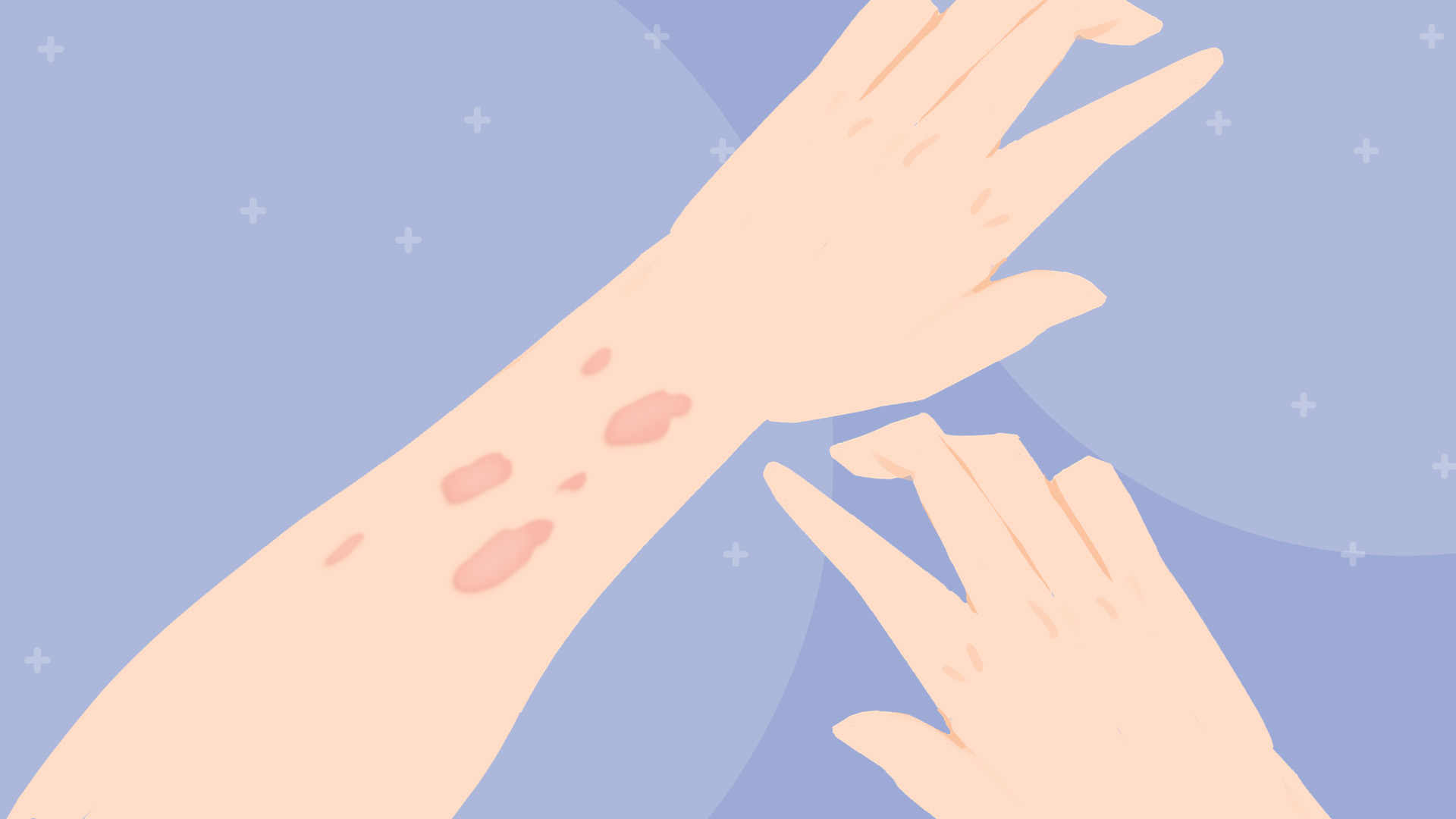
Hypertrophic scars primarily develop when the skin surface is inadequately protected and cared for following injury, potentially leading to various wound infections. Such infections may trigger persistent, abnormal wound healing responses, resulting in hypertrophic scarring at the injury site. Over time, the affected skin area becomes increasingly unsightly—appearing rougher and less aesthetically pleasing.
How Are Hypertrophic Scars Treated?
Oral Medications
The development of hypertrophic scars is influenced not only by the clinician’s surgical technique but also significantly by the patient’s individual constitution. Surgical or radiotherapy interventions have inherent limitations in efficacy. Although many patients respond well to pharmacological treatment, concerns regarding adverse effects restrict the widespread clinical use of such medications. Thus, further research and development of etiology-targeted therapies for hypertrophic scarring remain essential.
Cryotherapy
In recent years, cryotherapy has regained attention as a treatment for hypertrophic scars. This method is straightforward: a cotton swab soaked in liquid nitrogen is applied directly to the scar surface, inducing freezing and subsequent tissue necrosis. Pain is common during the procedure, often necessitating local anesthesia for analgesia. Cryotherapy demonstrates superior efficacy compared with electrocoagulation, possibly due to its ability to induce an immune response within the treated tissue.
Laser Therapy
Laser therapy is a relatively new approach for treating hypertrophic scars. It employs a selective red laser wavelength absorbed preferentially by hemoglobin in blood vessels, thereby destroying microvasculature within the scar tissue and inhibiting further scar proliferation. However, this treatment can easily irritate the skin and may provoke paradoxical, reactive scar hypertrophy.
Surgical Excision
Given that hypertrophic scarring is closely linked to individual constitutional factors, although surgical excision can completely remove the lesion, it carries a high risk of exacerbating the condition. Therefore, surgery is generally not recommended as a primary treatment modality.
Currently, numerous therapeutic options for hypertrophic scars are available on the market, all targeting the affected skin comprehensively. With appropriate postoperative care and maintenance, effective scar reduction can typically be achieved. However, long-term skin sensitivity may develop following treatment; thus, careful consideration and informed decision-making are advised before proceeding with any surgical intervention.


