


How many days does the ovulation period usually last?
Dec 27, 2021
Source: Cainiu Health

Dr. Sheng Mei
Introduction
How long does the ovulation period last?
Generally, a woman’s ovulation period lasts about 10 days. In a typical menstrual cycle—usually lasting approximately one month—a healthy woman ovulates once. The day on which ovulation occurs is called the “ovulation day.” The ovulation period includes the 5 days before ovulation, the 4 days after ovulation, and the ovulation day itself—totaling 10 days.
A woman’s fertile window typically lasts about 10 days. This window generally occurs approximately 14 days before the onset of the next menstrual period—i.e., starting a few days after menstruation ends. The “dangerous period” (i.e., the time of highest conception risk) spans the 5 days preceding ovulation and the 4 days following it. However, the *effective* fertile window—the period during which conception is most likely—is only about 7 days. Moreover, not all women have a 10-day fertile window; factors such as emotional stress, dietary changes, and irregular sleep patterns can shorten ovulation duration or disrupt the ovulatory cycle altogether. Consequently, many women experience a fertile window shorter than 10 days.
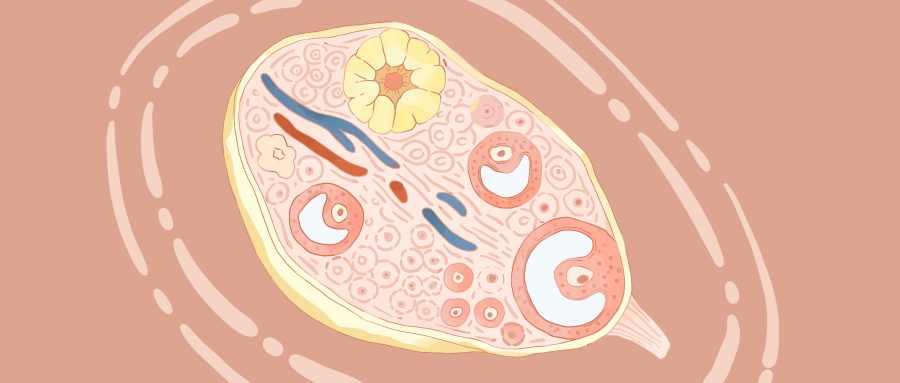
How Long Is the Fertile Window?
1. Generally, a woman’s fertile window lasts about 10 days.
In a typical menstrual cycle (usually lasting one month), a healthy woman ovulates once per cycle. The day on which ovulation occurs is termed the “ovulation day.” The fertile window includes the 5 days before ovulation, the day of ovulation itself, and the 4 days after—totaling 10 days.
2. Not every woman has a 10-day fertile window.
With the accelerating pace of modern life, women are increasingly affected by environmental and lifestyle factors. Emotional state, diet, and daily routines all influence ovulation. For instance, if a woman accustomed to a regular schedule suddenly alters her sleep-wake pattern, her body may fail to adapt promptly, potentially disrupting endocrine function and causing her period to arrive earlier or later than expected. Consequently, the length of the fertile window may fluctuate along with menstrual timing. Thus, while “10 days” represents a general estimate, the actual fertile window is often shorter than 10 days.
3. The effective conception window is approximately 7 days.
Given that the fertile window is not rigidly fixed at 10 days, how long is the optimal period for conception within this window? Typically, a mature oocyte (egg) remains viable for about 2 days post-ovulation—rarely up to 3 days, and sometimes less than 12 hours. In contrast, sperm can survive in the female reproductive tract for 3–5 days, with an average lifespan of about 4 days. Therefore, the effective conception window generally extends from 5 days before ovulation (since sperm may survive up to 5 days) through 2 days after ovulation (as the egg remains viable for ~2 days post-release)—yielding an effective fertile period of approximately 7 days.
The above provides an overview of the typical duration of the fertile window. We hope this information is helpful. Wishing you good health and happiness!


