


What conditions can be detected by an abdominal CT scan?

Most people are familiar with CT scans. CT imaging can detect a wide range of diseases. However, it is important to be aware of certain precautions before undergoing a CT scan. For example, when preparing for an abdominal CT scan, patients are advised to drink plenty of water. This helps distend the rectum and avoids interference with image quality. Moreover, adequate hydration improves the accuracy of abdominal CT examinations. So, what specific conditions can an abdominal CT scan detect? Let’s explore this further.
What Conditions Can Abdominal CT Detect?
The abdomen contains multiple organs—including the liver, gallbladder, pancreas, stomach, spleen, kidneys, and intestines. CT scanning can evaluate pathological changes in all these organs, such as tumors, inflammatory or infectious processes, traumatic injuries, and congenital anomalies.
CT is widely used in clinical practice for evaluating disease across virtually all organ systems. However, special caution is warranted in pregnant women and in patients with severe cardiovascular, hepatic, or renal disease, diabetes mellitus, or hyperthyroidism.
If you experience abdominal discomfort, consult the appropriate specialty department. Your physician will assess your symptoms and order diagnostic tests accordingly. Should an abdominal CT be indicated, there is no need for undue concern.
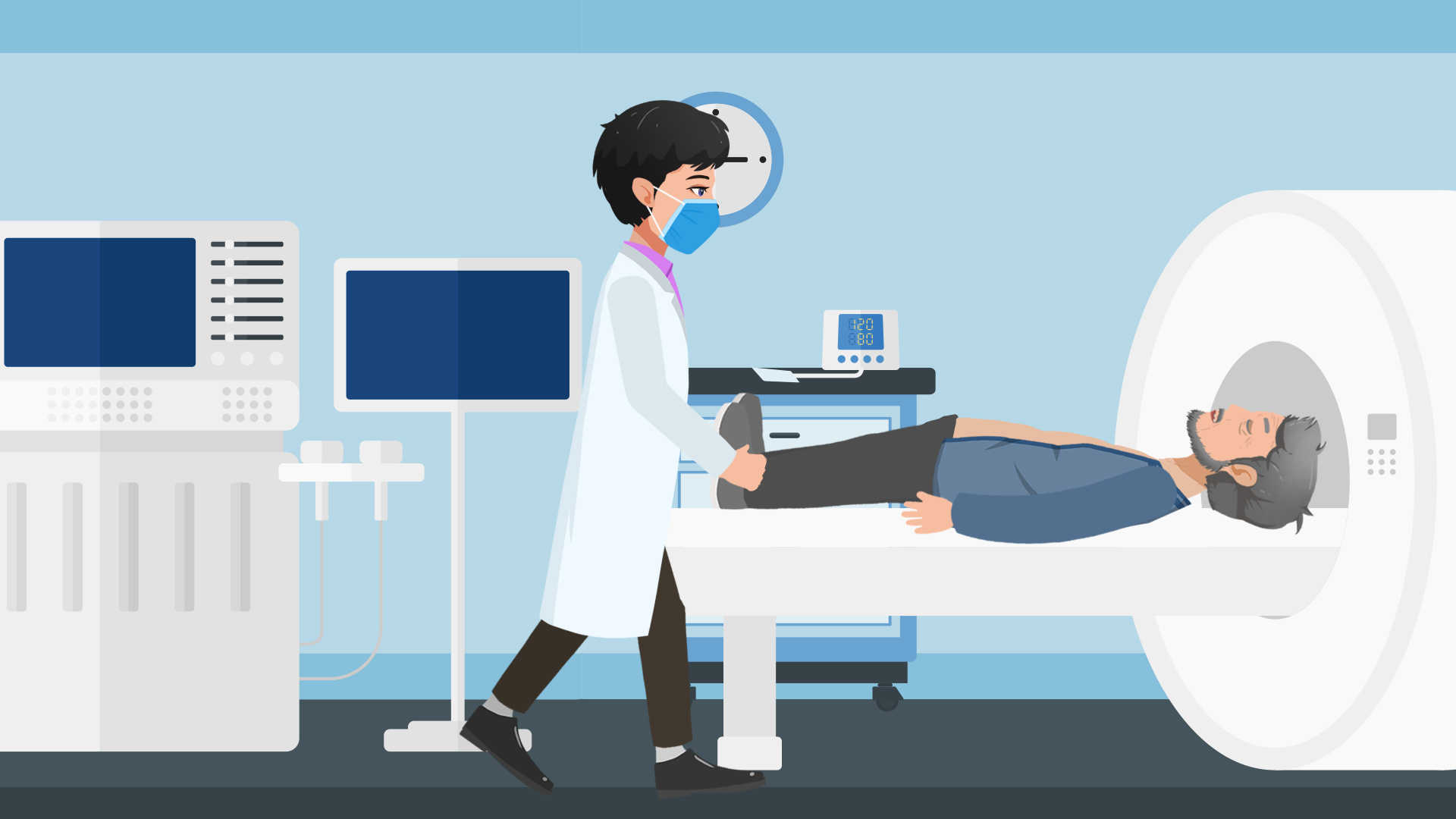
Why Is Drinking Large Amounts of Water Required Before Abdominal CT?
1. To Distend the Bowel Lumen
During abdominal CT preparation, patients are instructed to drink large volumes of water primarily to distend the entire bowel lumen. This displaces intraluminal gas, thereby minimizing artifacts that could otherwise degrade image quality and lead to misinterpretation.
2. To Improve Diagnostic Accuracy
Bowel distension enhances visualization of mucosal folds and subtle lesions—such as early inflammatory changes or small neoplasms—that might otherwise remain obscured. This allows for more precise and confident interpretation, thereby increasing diagnostic accuracy.
3. To Enhance Contrast Between Structures
Oral water administration prior to abdominal CT improves contrast between the gastrointestinal tract and adjacent solid abdominal organs. This facilitates more accurate anatomical localization and enables more detailed evaluation of abdominal pathology.
The above provides an overview of the diagnostic capabilities of abdominal CT. We hope this information has been helpful.


