


What does it mean when stool contains mucus and streaks of blood?

Food ingested by the human body passes through the small and large intestines into the abdomen, where gastric acid in the stomach aids digestion and nutrient absorption. Undigested or unabsorbed food residues are subsequently eliminated from the body via urine, sweat, and feces. Therefore, stool characteristics can serve as an important indicator of overall health. Many individuals have observed mucus mixed with streaks of blood in their stool—what does this phenomenon signify?
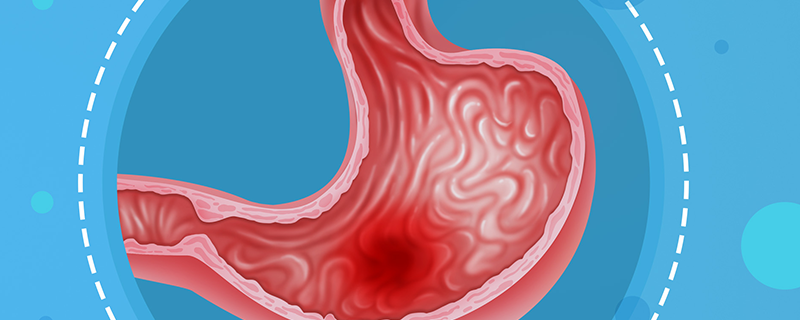
What Causes Mucus and Blood Streaks in Stool?
1. Inflammatory infections, such as acute gastroenteritis or bacterial dysentery, may cause mucus-containing stools. Diagnostic evaluation includes stool culture and routine stool analysis to detect pathogenic bacteria, as well as assessment of white blood cells (WBCs) and red blood cells (RBCs) in the stool. A complete blood count (CBC) may also be performed to evaluate systemic inflammatory response.
2. Primary intestinal diseases, including ulcerative colitis and Crohn’s disease, can lead to mucus in stool. Colorectal cancers (e.g., colon or rectal cancer) may also stimulate excessive intestinal secretion, resulting in mucopurulent bloody stools. Colonoscopy is recommended for definitive diagnosis and subsequent targeted treatment. For inflammatory bowel disease (IBD), oral medications such as mesalamine or sulfasalazine often provide symptomatic improvement.
Knowledge Extension: What to Do When There Is Rectal Bleeding
1. In severe or fulminant cases of ulcerative colitis, toxic megacolon may develop, and the risk of colorectal carcinoma is significantly elevated. The primary therapeutic goals are rapid control of inflammation and symptom relief. Maintenance therapy during remission is equally critical. Comprehensive management—including pharmacotherapy, nutritional support, psychological counseling, and individualized care—is essential to address patient-specific needs.
2. During active inflammation, patients should minimize physical activity and prioritize rest to reduce both mental and physical strain. Nutritional support is vital: initially, a liquid diet is advised; as symptoms improve, transition to soft, nutrient-dense, low-residue foods. If dairy products trigger intestinal inflammation, their intake should be restricted.
3. Patients with enterocolitis should seek medical attention promptly to prevent chronicity and disease progression. Medications must be taken strictly as prescribed by a physician. Given the high relapse rate of ulcerative colitis, self-discontinuation of medication—even after symptom improvement—is strongly discouraged, as it increases the risk of recurrence, worsening inflammation, and potentially life-threatening complications.
The above outlines potential causes of mucus and blood streaks in stool. We hope this information is helpful to you.


