What Causes Nocturia?
Dec 30, 2021
Source: Cainiu Health

Dr. Ding Feng
Introduction
1. Excessive fluid intake leads to increased urine production, which accumulates in the bladder; consequently, nocturia (excessive urination at night) may naturally occur during sleep.
2. Inflammatory stimulation: Individuals with inflammatory conditions—such as cystitis, urethritis, or vulvitis—may also experience increased nocturia.
3. Emotional factors: States of tension, anxiety, or other psychological stress can trigger abnormal bladder contractions, resulting in nocturia.
It is a normal physiological phenomenon for the body to produce sufficient urine and subsequently require urination. If you consume a large amount of water or beverages before bedtime, nocturia (waking up at night to urinate) may occur more frequently. However, some individuals experience frequent nocturia even when their fluid intake before bed is not excessive. Frequent nighttime trips to the bathroom not only impair sleep quality but also raise concerns about underlying health issues. So, what causes nocturia? Below, we address this question.
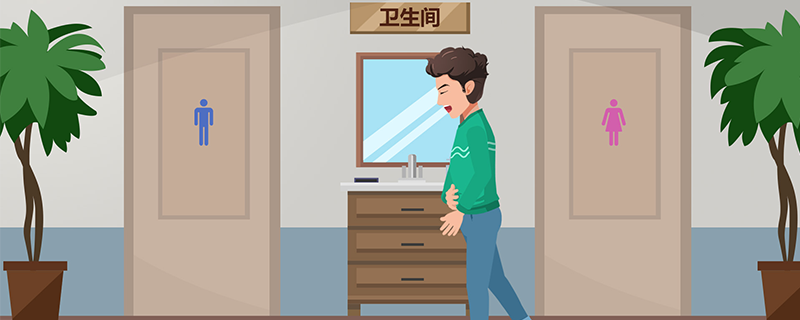
Causes of Nocturia
1. Excessive Fluid Intake
Consider whether you consumed large amounts of water or other beverages shortly before bedtime. Excessive fluid intake increases total body fluid volume. After processing by the body, this excess fluid accumulates in the bladder, leading naturally to increased nocturia during sleep.
2. Inflammatory Stimulation
Individuals suffering from inflammatory conditions—such as cystitis, urethritis, or vulvitis—may also experience increased nocturia. Inflammation irritates the urinary tract, triggering abnormal urinary frequency at night.
3. Emotional Factors
Emotional states can contribute to nocturia. When under stress, anxiety, or other negative emotional conditions, abnormal bladder contractions may occur, resulting in increased nighttime urination.
4. Kidney Disease
Patients with certain kidney disorders—including glomerular diseases and chronic tubulointerstitial nephropathies—often present with nocturia. This symptom is characteristic of such conditions. As the disease progresses, patients may develop renal-origin nocturia and often coexist with metabolic disorders such as hypertension and diabetes.
5. Diabetes Insipidus
Diabetes insipidus results from hormonal imbalances that impair normal water reabsorption in the body, thereby causing nocturia. Patients with this condition typically experience polyuria (excessive urination) during the day as well, and often remain persistently thirsty despite drinking large volumes of water.
6. Diabetes Mellitus
Many patients with diabetes mellitus also experience nocturia. One contributing factor is the high glucose concentration in the urine, which exerts an osmotic diuretic effect.
The above outlines the primary causes of nocturia. We hope this information is helpful to you.