


Symptoms of Fallopian Tube Blockage
Jan 05, 2022
Source: Cainiu Health

Dr. Lv Aiming
Introduction
1. Lower abdominal and pelvic pain: Tubal obstruction may lead to tubal adhesions or hydrosalpinx. Mild tubal obstruction often presents with no obvious symptoms.
2. Increased vaginal discharge with an unpleasant odor and menstrual irregularities: Tubal obstruction may also impair ovarian function, resulting in abnormal ovulation or even anovulation.
3. Fever and prolonged infertility.
Tubal obstruction typically presents with no distinct or even any noticeable symptoms initially. Symptoms often only become apparent as the condition progressively worsens—common manifestations include infertility, which is frequently identified only after repeated unsuccessful attempts at conception. Additionally, lower abdominal pain and low back pain are relatively common clinical signs.
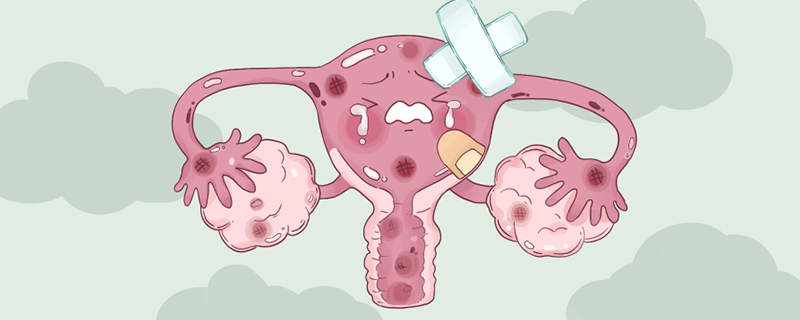
Symptoms of Tubal Obstruction
1. Lower Abdominal and Pelvic Pain
Tubal obstruction may lead to tubal adhesions or hydrosalpinx. Mild cases often remain asymptomatic. However, as the condition advances, most women experience bilateral lower abdominal distension or pain; severe cases may involve the pelvic cavity and trigger pelvic inflammatory disease (PID). Persistent lower abdominal or pelvic pain warrants evaluation for possible tubal obstruction. It is advisable to schedule a medical examination 3–7 days after menstruation ends—and to abstain from sexual intercourse during this period.
2. Increased Vaginal Discharge with Odor and Menstrual Irregularities
Women with tubal obstruction commonly report increased vaginal discharge, often accompanied by an unpleasant odor—particularly exacerbated around menstruation. Since the fallopian tubes are anatomically adjacent to the ovaries, tubal obstruction may impair ovarian function, resulting in ovulatory dysfunction—including anovulation—and consequent menstrual irregularities. Impaired ovulation compromises the union of ova and sperm, thereby contributing directly to female infertility.
3. Fever and Prolonged Infertility
Tubal obstruction is primarily caused by bacterial or other pathogenic infections ascending from the vagina into the uterus, leading to salpingitis and subsequent tubal blockage. Uterine inflammation may provoke systemic symptoms such as fever. Tubal obstruction is especially prevalent among couples engaging in regular unprotected intercourse who have been attempting pregnancy for at least six months without success—i.e., primary infertility following marriage. Such cases should prompt timely medical evaluation and appropriate treatment.
The above outlines the key clinical manifestations of tubal obstruction. We hope this information proves helpful to you.




