


What does “prostatic calcification” mean?

Many men undergo medical examinations due to prostate discomfort and are subsequently found to have prostatic calcifications—a relatively common urological condition. While prostatic calcifications can cause some concern for affected men, many patients worry whether such calcifications may lead to prostate cancer, especially given the rising incidence of this malignancy. So, what exactly are prostatic calcifications?
What Are Prostatic Calcifications?
Prostatic calcification is quite common and is neither a serious disease nor synonymous with cancer; moreover, it generally does not increase cancer risk. Prostatic calcifications refer to calcium deposits that form within the prostate acini—most often representing residual scarring following resolution of prostatitis.
In other words, men diagnosed with prostatic calcifications typically have a prior history of prostatitis. Therefore, if calcifications are detected during examination, there is usually no need for undue concern. However, it should be noted that prostatic calcifications rarely resolve completely—this should be understood and accepted psychologically.
If prostatic calcifications remain asymptomatic, they generally require no special attention, as they typically do not interfere with daily life. However, if symptoms such as urinary frequency, urgency, dysuria, hematuria, incomplete bladder emptying, or urinary incontinence develop, quality of life may be significantly affected. In such cases, prompt medical evaluation and intervention—per physician recommendation—are strongly advised.
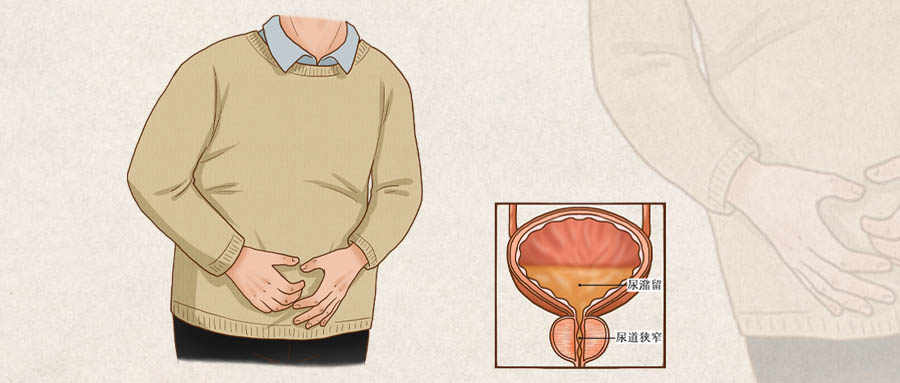
Preventive Measures Against Prostatic Calcifications
1. Maintain a Light Diet
Adopt a bland, low-irritant diet and avoid spicy or highly stimulating foods. Drink ample water throughout the day—not only when thirsty—as increased fluid intake promotes frequent urination and helps flush out metabolic waste products.
2. Limit or Avoid Alcohol Consumption
While many men enjoy alcohol, moderation is essential—and ideally, abstinence is preferable. Excessive alcohol intake may exacerbate existing prostatic inflammation or trigger its recurrence.
3. Avoid Prolonged Sitting
Men with sedentary occupations should take regular breaks—ideally standing and moving every hour. Additionally, ensure seating surfaces are not excessively warm, as heat may aggravate prostate health.
The above provides an overview of what prostatic calcifications mean. We hope this information proves helpful to you.


