


Is fungal vaginitis contagious?
Jan 07, 2022
Source: Cainiu Health

Dr. Cao Ting
Introduction
Vulvovaginal candidiasis is typically caused by infection with *Candida albicans*, an opportunistic pathogen. In most cases, the infection is endogenous. A subset of patients may acquire the infection through sexual contact. Additionally, close personal contact—such as sharing infected undergarments, bedding, or bed linens—can also transmit the fungus and lead to vulvovaginal candidiasis.
Vulvovaginal candidiasis (also known as candidal vaginitis) is a common and recurrent vulvovaginal inflammatory condition caused by Candida species. Its classic clinical symptoms include pruritus of the vulva and thick, curd-like or cottage cheese–like vaginal discharge. So, is vulvovaginal candidiasis contagious? The following section addresses this question.
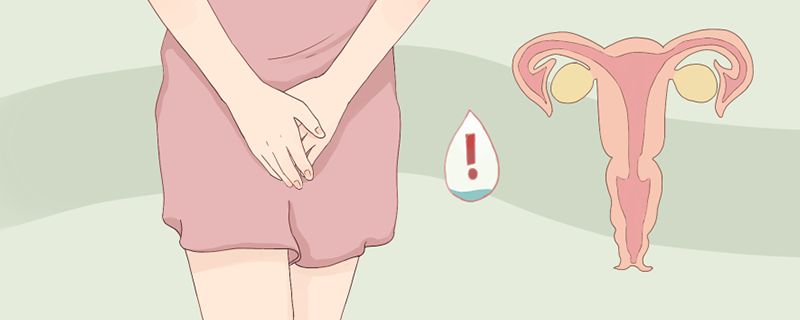
Is vulvovaginal candidiasis contagious?
Vulvovaginal candidiasis is typically caused by infection with Candida albicans (a type of opportunistic pathogen), most commonly through endogenous transmission. In some cases, it may be transmitted via sexual intercourse. Additionally, close personal contact—such as sharing infected undergarments, bed sheets, or duvet covers—can also lead to transmission.
Therefore, during treatment for vulvovaginal candidiasis, sexual intercourse should be avoided. Underwear, underpants, and washbasins must be kept separate from those used by other family members. All contaminated items—including underwear, bed sheets, and duvet covers—should be thoroughly washed in boiling water. Primary treatment involves topical intravaginal antifungal agents, such as miconazole nitrate suppositories, nystatin suppositories, and clotrimazole suppositories.
Additional Information: Key Precautions for Vulvovaginal Candidiasis
1. Avoid self-medicating: When symptoms of vulvovaginal candidiasis appear, many individuals feel embarrassed and delay seeking professional medical evaluation at a qualified healthcare facility. Instead, they resort to over-the-counter medications without proper diagnosis—a practice that may adversely affect health, fail to resolve the infection, and even exacerbate the condition.
2. Avoid swimming in public pools: Given its high transmissibility, individuals with vulvovaginal candidiasis should avoid public facilities such as communal bathing areas or shared toilet seats, which pose risks of cross-contamination and transmission to others.
3. Avoid wearing tight-fitting pants: Patients with vulvovaginal candidiasis should avoid prolonged use of tight-fitting trousers, as these can worsen symptoms. Underwear should be made of breathable, loose-fitting cotton fabric to promote healing. Used undergarments should not be mixed with other laundry; instead, they should be washed promptly and dried in a well-ventilated area.
4. Avoid spicy foods: Dietary modifications are essential during active infection. Spicy or highly stimulating foods—such as chili peppers—should be avoided. A bland, mild diet is recommended to support recovery.
The above outlines whether vulvovaginal candidiasis is contagious. We hope this information is helpful to you.






