


What does a positive hepatitis B surface antibody test mean?

Hepatitis B is a common infectious disease. After contracting hepatitis B, patients often experience a marked decline in liver function; severe cases may even progress to cirrhosis or hepatocellular carcinoma. Therefore, both patients and healthy individuals should undergo routine hepatitis B serological testing (the “five-item hepatitis B panel”) on a regular basis. During such testing, if the report indicates a positive result for hepatitis B surface antibody (anti-HBs), many people are unfamiliar with its significance. So, what does a positive hepatitis B surface antibody mean?
What Does a Positive Hepatitis B Surface Antibody Mean?
A positive hepatitis B surface antibody signifies effective immunity against hepatitis B virus (HBV) infection, thereby protecting the body from HBV invasion. Historically, it was widely believed that antibodies induced by hepatitis B vaccination persisted for 3–5 years; however, frequent exposure to hepatitis B patients could accelerate antibody decline. Recent clinical evidence demonstrates that individuals who develop anti-HBs titers ≥10 IU/mL following hepatitis B vaccination typically maintain protective immunity for 8–10 years. Moreover, although those frequently exposed to hepatitis B patients may experience faster antibody waning, low-level exposure to HBV may stimulate the immune system to produce antibodies spontaneously.
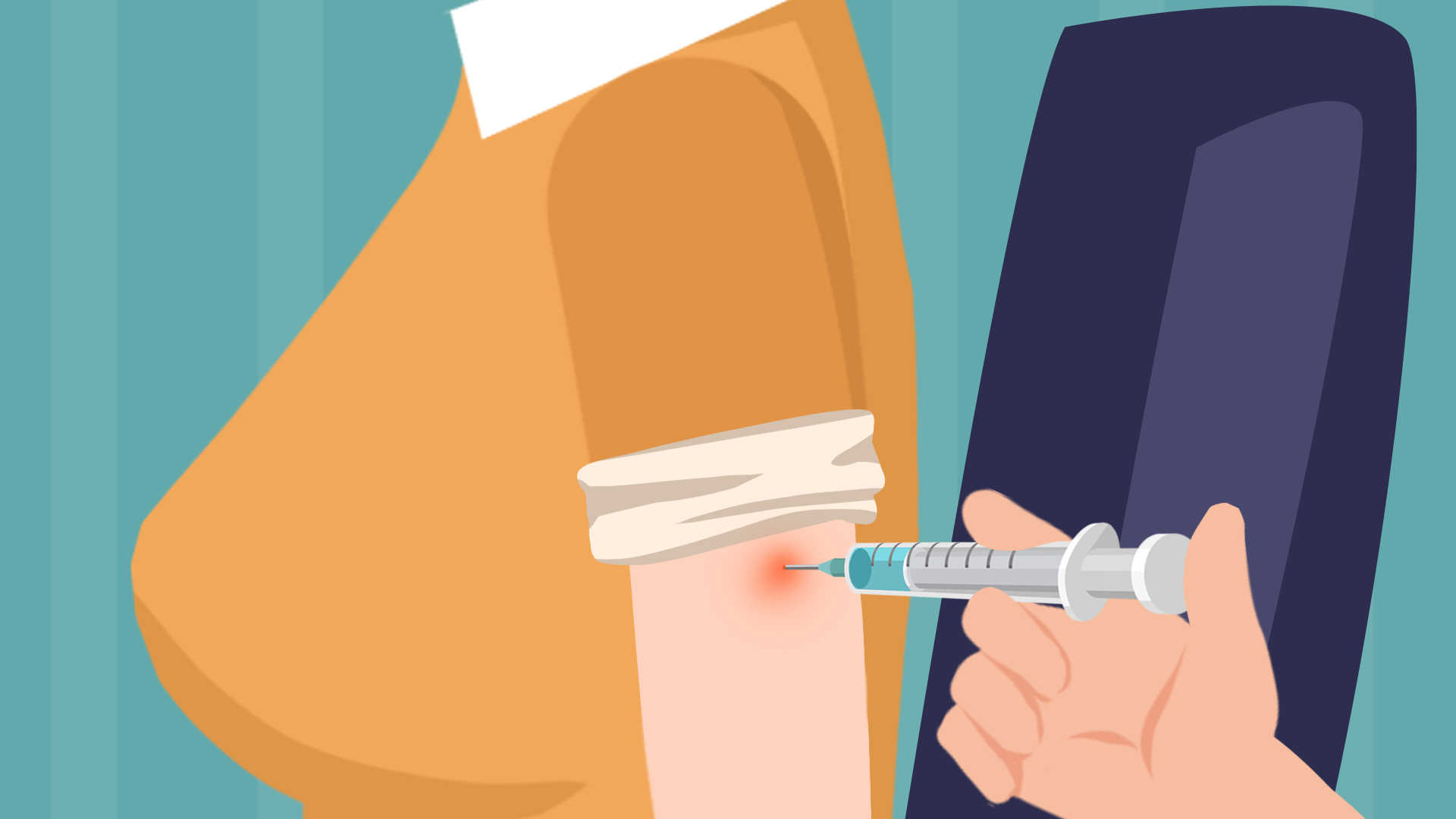
If your hepatitis B surface antibody test is positive, you generally need not worry about everyday HBV transmission risks. It is recommended to repeat the test every 3–5 years to monitor both the presence and titer level of anti-HBs. Should antibody levels decline significantly, timely booster vaccination is advised to maintain adequate antibody titers and ensure continued protection against HBV—thus better safeguarding your health.
How to Protect Your Liver in Daily Life
1. Maintain a Healthy Body Weight
Obesity places excessive strain on the liver. Maintaining a normal, healthy weight is therefore crucial. Excessive weight gain impairs the optimal functioning of multiple organs—including the liver—and increases susceptibility to various diseases.
2. Avoid Instruments Potentially Contaminated with Blood
Avoid unnecessary blood transfusions, injections, ear piercing, tattooing, sharing toothbrushes or razors with others, and minimize contact with any instruments potentially contaminated with blood.
3. Maintain a Balanced Diet
An unbalanced diet increases the metabolic burden on the liver. The liver converts ingested food into usable energy for the body. Converting non-carbohydrate substrates (e.g., proteins and fats) into energy requires significantly more effort from the liver than converting carbohydrates.
4. Abstain from Alcohol and Tobacco
Alcohol consumption raises the risk of fatty liver disease and alcoholic liver disease; individuals with pre-existing liver disease must abstain completely from alcohol. Both smoking and alcohol use are independent risk factors for hepatocellular carcinoma.
The above provides an overview of the clinical significance of a positive hepatitis B surface antibody. We hope this information proves helpful to you.


