


How long does lochia typically last?
Jan 11, 2022
Source: Cainiu Health

Dr. Xiong Lijuan
Introduction
Most women will have completely expelled their lochia by approximately six weeks postpartum. Lochia initially appears as bloody lochia and typically persists for about three weeks, then transitions to serous lochia and gradually becomes whitish lochia, which is usually fully discharged within another three weeks. Normal lochia has a characteristic metallic (blood-like) odor but no foul smell; in such cases, only continued observation is required.
The duration required for complete expulsion of lochia after childbirth depends on various factors, including the mother’s physical recovery and mode of delivery. Below, we address the common question: “How long does it typically take for lochia to be fully expelled?”
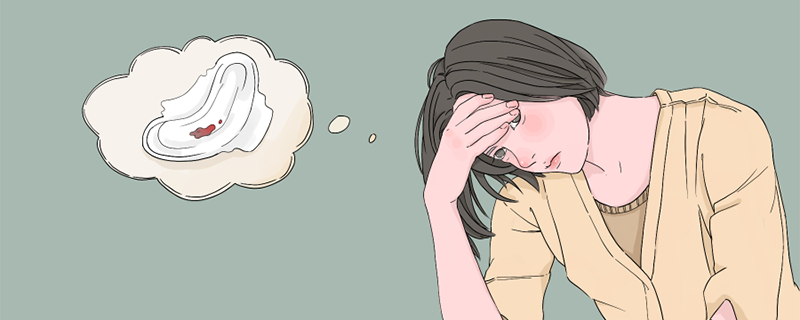
How long does it usually take for lochia to be fully expelled?
Most postpartum women will have completely expelled their lochia by approximately six weeks after delivery. Initially, lochia is bloody (known as “lochia rubra”) and typically persists for about three weeks. It then transitions to serous lochia (“lochia serosa”) and gradually becomes white or creamy (“lochia alba”), with complete resolution occurring around three weeks later—i.e., by six weeks postpartum. Normal lochia has a characteristic metallic, blood-like odor but no foul smell; such lochia generally requires only routine observation.
Secondly, some women may expel all lochia within the traditional “sitting-month” (postpartum confinement) period. If concerned about the relatively short duration, they may consider consuming a small amount of Shenghua Tang (a traditional Chinese herbal decoction), which helps promote further expulsion of lochia. Finally, if lochia persists beyond six weeks—especially if accompanied by a foul odor—it is essential to seek prompt evaluation at a reputable hospital and receive appropriate treatment.
Knowledge Extension: Causes of Prolonged Bloody Lochia
1. Intrauterine Retention
Retention of intrauterine tissue can result from multiple causes, the most common being retained placental or fetal membrane fragments. This may be associated with uterine anomalies or, in some cases, related to the obstetrician’s technique during delivery.
2. Uterine Atony
Also termed “poor uterine involution,” uterine atony may occur due to inadequate postpartum rest, general physical weakness or chronic illness, or prolonged labor—all of which deplete qi and blood, impairing normal uterine contractions and leading to persistent lochia.
3. Intrauterine Infection
In addition to retained tissue, improper hygiene practices or other unhealthy lifestyle habits may predispose the uterine cavity to infection.
The above outlines the typical timeframe for complete lochia expulsion. We hope this information is helpful to you.



