


What Are the Characteristics of Cough in Lung Cancer?
Jan 11, 2022
Source: Cainiu Health

Dr. Guo Xiheng
Introduction
Characteristics of Cough in Lung Cancer:
(1) Irritative, non-productive cough: A classic cough caused by lung cancer is an irritative, dry cough, typically without sputum production. If sputum is present—especially yellow sputum—accompanied by fever, chest pain, or other symptoms, acute infection is more likely.
(2) Blood-tinged sputum: Occasionally, small amounts of sputum may be produced, and blood streaks may be visible within the sputum.
Lung cancer is a serious disease with a relatively high incidence in daily life. In its early stages, symptoms may be subtle or even absent; however, as the disease progresses, a persistent cough often develops—distinct from common coughs associated with routine illnesses. To achieve effective treatment, it is essential first to understand the characteristic features of lung cancer–related cough and determine how targeted therapy can be appropriately implemented.
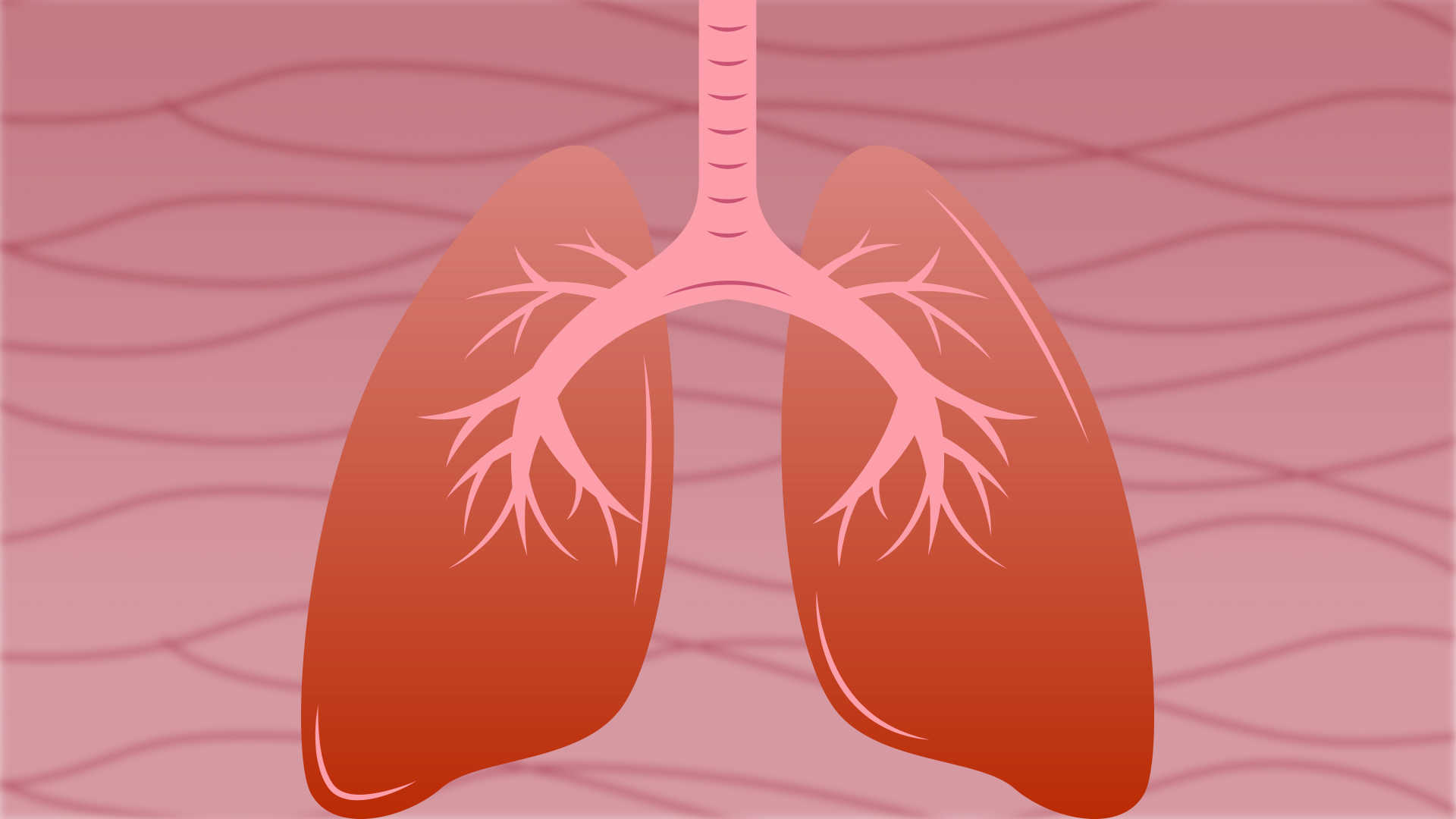
Characteristic Features of Lung Cancer–Related Cough
(1) Irritative, Non-Productive Cough
A classic cough caused by lung cancer is an irritative, non-productive (dry) cough—meaning coughing occurs without significant sputum production. If sputum is present—especially yellow sputum—accompanied by fever, chest pain, or other systemic symptoms, acute infection is more likely.
(2) Blood-Streaked Sputum
Earlier, we noted that lung cancer typically causes a dry cough; yet here we mention sputum. Indeed, while many patients with lung cancer experience primarily dry cough, some may occasionally produce small amounts of sputum—often streaked with blood. This warrants immediate medical attention. Although hemoptysis (blood in sputum) may also occur in other conditions—such as bronchiectasis or pulmonary tuberculosis—distinguishing these diseases clinically is difficult for non-specialists. Therefore, any episode of blood-streaked sputum should prompt prompt evaluation at a hospital, as it may signal a serious underlying condition.
(3) Lack of Response to Antibiotics
Cough due to lung cancer generally does not respond to antibiotic therapy. While lung cancer patients may develop concurrent infections treatable with antibiotics, resolution of the infection does not necessarily alleviate the cough. Persistent cough despite appropriate antimicrobial treatment suggests that the underlying cause extends beyond simple inflammation—and raises suspicion for lung cancer.
(4) Associated Systemic or Local Symptoms
In addition to cough, patients with lung cancer may exhibit various other symptoms. Chest or back pain may arise when the tumor invades the chest wall or adjacent nerves. Large-volume pleural effusion secondary to lung cancer can lead to chest tightness, shortness of breath, and dyspnea. Hoarseness may develop due to tumor involvement of the mediastinum or enlargement of regional lymph nodes compressing the ipsilateral recurrent laryngeal nerve. Supraclavicular lymphadenopathy and clubbing of the fingers are also recognized signs. Furthermore, systemic manifestations—including low-grade fever (typically around 38°C), loss of appetite, unintentional weight loss, and anemia—may occur.
The above outlines key characteristics of cough associated with lung cancer. We hope this information proves helpful to you.



