


What Causes Light Bleeding After Menstruation?
Jan 11, 2022
Source: Cainiu Health
Dr. Li Qiang
Introduction
What causes light bleeding after menstruation?
If light bleeding occurs approximately 14 days after the onset of menstruation, it is likely ovulation bleeding—a common and generally harmless phenomenon that typically requires no concern.
A woman’s menstrual cycle can be divided into four phases:
1. **Menstrual phase**: The period from the onset of menstrual bleeding until its cessation.
2. **Pre-ovulatory phase**: The interval from the end of menstruation to just before ovulation.
Vaginal bleeding during menstruation is a normal physiological phenomenon. However, vaginal bleeding occurring outside the menstrual period is abnormal and may indicate underlying gynecological conditions. In daily life, some women experience light spotting even after their periods have ended—this is clearly abnormal and warrants careful evaluation to identify the cause, enabling timely, targeted intervention and elimination of potential health risks. So, what causes light vaginal bleeding after menstruation? Let’s explore the possible reasons below.
What Causes Light Vaginal Bleeding After Menstruation?
If light bleeding occurs approximately 14 days after the onset of menstruation, it is likely ovulation bleeding—a benign, self-limiting phenomenon requiring no special concern.
A woman’s menstrual cycle can be divided into four phases: 1. Menses phase: the period from the onset of menstrual bleeding until its cessation; 2. Follicular (pre-ovulatory) phase: the interval from the end of menses to just before ovulation; 3. Ovulation phase: the brief period during which the mature oocyte is released from the ovary; and 4. Luteal (pre-menstrual) phase: the interval from ovulation until the onset of the next menstrual period.

During the follicular phase, maturing ovarian follicles secrete increasing amounts of estrogen. This rising estrogen level promotes endometrial repair and gradual thickening. Estrogen peaks just before ovulation; once the follicle ruptures and releases the oocyte, estrogen levels drop sharply. If this decline is pronounced, the endometrium may become unstable and shed partially, resulting in light spotting—known as ovulation bleeding.
Typically, such bleeding is brief—lasting 2–3 days, rarely exceeding 7 days—and resolves spontaneously once hormonal balance is restored post-ovulation. It does not adversely affect overall health and thus requires no specific treatment or undue concern.
Post-Menstrual Care Recommendations
1. Nutritional adjustment: During menstruation, blood loss depletes plasma proteins, iron, potassium, calcium, magnesium, and other essential nutrients. Therefore, within 1–5 days after menses ends, prioritize foods rich in protein, minerals, and iron—ideally those offering both hematopoietic and skin-nourishing benefits, such as milk, beef, eggs, spinach, cherries, and apples.
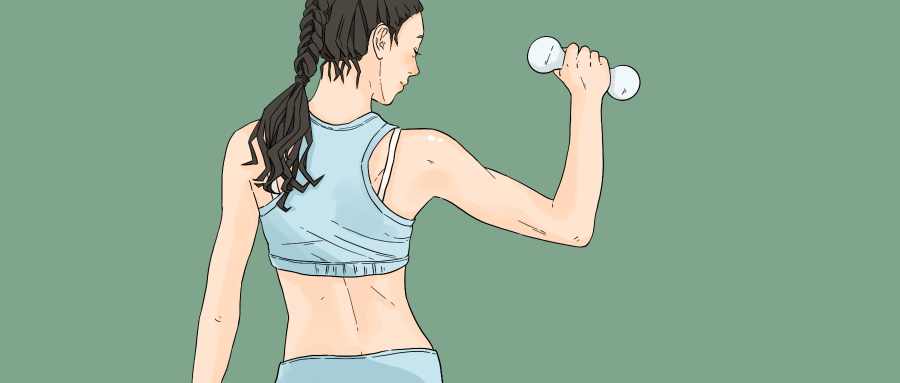
2. Regular physical activity: After menstruation, engage in aerobic exercises like jogging, swimming, or calisthenics to support natural physiological regulation and enhance immune function. Maintain regular sleep-wake cycles, avoid late-night activities, and ensure adequate, restorative sleep.
3. Stress management: Menstrual irregularities are closely linked to psychological stress and emotional states. Chronic stress or persistent negative emotions can disrupt endocrine function and contribute to menstrual disturbances. Therefore, consciously practice relaxation techniques, maintain an optimistic outlook, and minimize rumination on distressing or unpleasant matters.
The above outlines common causes of post-menstrual spotting and offers practical post-menstrual health guidance. We hope this information proves helpful to you.



