


What should I do if my endometrium is thin?
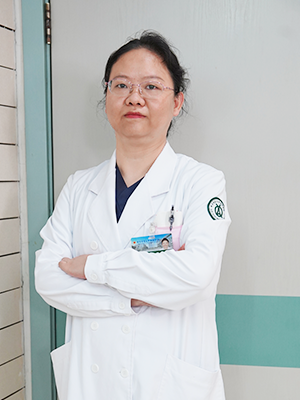
Thin endometrium is a common gynecological condition. Given the uterus’s critical physiological role, any abnormality in this area can significantly impact a woman’s health. The most prominent symptom of thin endometrium is menstrual irregularity; some women may also experience infertility due to inadequate endometrial thickness. Therefore, upon diagnosis of thin endometrium, patients are naturally most concerned about treatment options. So, what should one do if diagnosed with thin endometrium? Below, we address this question.
What to Do for Thin Endometrium
Causes of thin endometrium can be categorized as systemic or local. Systemic factors include endocrine disorders, whereas local factors primarily involve endometrial injury, adhesions, or congenital absence. Treatment must be individualized based on the patient’s specific etiology and clinical presentation. Primary therapeutic approaches include hormonal supplementation (targeting underlying endocrine imbalances) or surgical intervention. For intrauterine adhesions or endometrial injury, hysteroscopic or laparoscopic surgery using cold instruments is required, followed by anti-adhesion measures; severe cases may necessitate endometrial transplantation. Ovulatory dysfunction may require transvaginal follicular aspiration or other interventional procedures.
Additional Information: How to Manage and Support Thin Endometrium
1. Psychological Well-being
Women with thin endometrium should first focus on emotional regulation—maintaining a calm, relaxed mindset is crucial for recovery. This condition is not life-threatening or unusually severe; excessive anxiety is unnecessary. When psychological stress is alleviated, endocrine function tends to normalize, which benefits endometrial health. Thus, maintaining positive emotional well-being is essential.
2. Physiological Care
Secondly, attention to physiological self-care is vital. During menstruation, women should prioritize warmth—applying a hot water bottle to the lower abdomen, for example, helps improve pelvic blood circulation and naturally reduces menstrual discomfort.
3. Physical Activity
In daily life, women should engage regularly in moderate physical exercise. Intensity need not be high—activities should simply be tolerable and effective for improving overall fitness. Consistent exercise enhances immune function and helps maintain healthy endometrial thickness.
4. Dietary Support
Dietarily, women with thin endometrium should favor light, nutritious meals and incorporate foods known to support blood production and nourishment, such as black beans, black fungus, snow frog (Rana chensinensis), honey, walnuts, and black sesame seeds.
The above outlines key considerations and management strategies for thin endometrium. We hope this information proves helpful to you.


