


What does a small cyst in the right lobe of the liver mean?

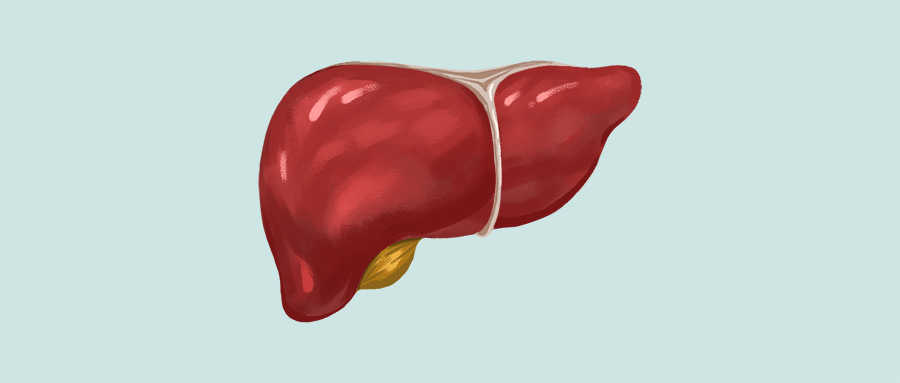
A small cyst in the right lobe of the liver is a congenital condition primarily caused by abnormal epithelial cell arrangement leading to a closed cavity filled with fluid. Such cysts may be solitary or multiple and are benign in nature. In most cases, small cysts in the right hepatic lobe require no treatment. However, cysts larger than 10 cm warrant aspiration therapy, while those smaller than 5 cm necessitate regular monitoring to reduce hepatic burden.
What is a Small Cyst in the Right Lobe of the Liver?
Small cysts in the right lobe of the liver are typically congenital and non-hereditary intrahepatic cystic lesions. These cysts usually do not communicate with the intrahepatic biliary tree. A cyst is defined as a closed cavity lined by epithelial cells and filled with fluid; it may occur as a solitary or multiple lesion. Clinically, cysts measuring ≤3 cm in diameter are generally classified as “small cysts.” Hepatic cysts are almost always benign. For cysts <5 cm, routine observation without intervention is recommended. Cysts measuring 5–10 cm may be managed conservatively based on clinical assessment, whereas aspiration therapy should be considered for cysts >10 cm.
How Should a Small Cyst in the Right Lobe of the Liver Be Managed?
1. Dietary Management
Dietary adjustments are recommended to alleviate hepatic burden and promote detoxification in patients with small right-lobe hepatic cysts. Consume foods rich in dietary fiber and high-quality protein to help prevent cyst enlargement. Additionally, smoking and alcohol consumption must be avoided, and intake of spicy or otherwise hepatotoxic foods minimized, as these may stimulate the liver and contribute to cyst growth.
2. Lifestyle Modifications
Patients with small right-lobe hepatic cysts should maintain healthy lifestyle habits—including regular sleep schedules (early to bed, early to rise), avoidance of excessive fatigue and late-night activity—to preserve normal hepatic metabolic function and prevent further cyst enlargement. Psychological well-being also significantly influences disease progression; thus, maintaining an optimistic mindset and actively engaging in treatment and daily life is strongly advised.
3. Regular Follow-up Examinations
Regular imaging follow-up enables timely assessment of cyst size and growth rate—making it an essential component of management for patients with small right-lobe hepatic cysts. If accelerated cyst growth is observed, patients need not panic; initial management may include traditional Chinese medicine (TCM). According to TCM theory, such cysts often arise from liver qi stagnation, blood stasis due to qi obstruction, and related pathogenic mechanisms. Treatment principles therefore emphasize clearing heat and resolving depression, soothing the liver and regulating qi, activating blood circulation to resolve stasis, and promoting smooth flow of blood and qi—thereby enhancing hepatic immunity and inhibiting continued cyst enlargement.
The above provides an overview of small cysts in the right lobe of the liver. We hope this information proves helpful.


