


What causes red, itchy spots on the hands?

Some individuals frequently develop red spots on their hands, often accompanied by itching. The pruritus associated with these red spots is typically pronounced. In some cases, the condition may resolve spontaneously without treatment; however, in other instances, the red spots may progressively worsen, and the itching may intensify. So, what exactly causes red spots and intense itching on the hands? Below, we outline common underlying causes and corresponding treatment approaches.
What Causes Red Spots and Itching on the Hands?
Red spots accompanied by itching on the hands are most commonly attributable to eczema—a condition with complex etiology involving both intrinsic (internal) and extrinsic (external) factors. Intrinsic factors primarily involve an individual’s inherent atopic (allergic) constitution, which plays a dominant role in eczema development. Internal environmental instability—including chronic gastrointestinal disorders, psychological stress, insomnia, excessive fatigue, emotional fluctuations, underlying infections, metabolic disturbances, and endocrine dysfunction—can all trigger or exacerbate eczema.
Extrinsic factors are equally diverse and include diet, inhaled allergens, climate, and contact allergens. Among the most common triggers are seafood, spicy foods, alcohol, airborne pollen, house dust mites, cold weather, chemical substances, soaps, and detergents. Due to this intricate interplay of multiple causative and precipitating factors, eczema tends to recur persistently.
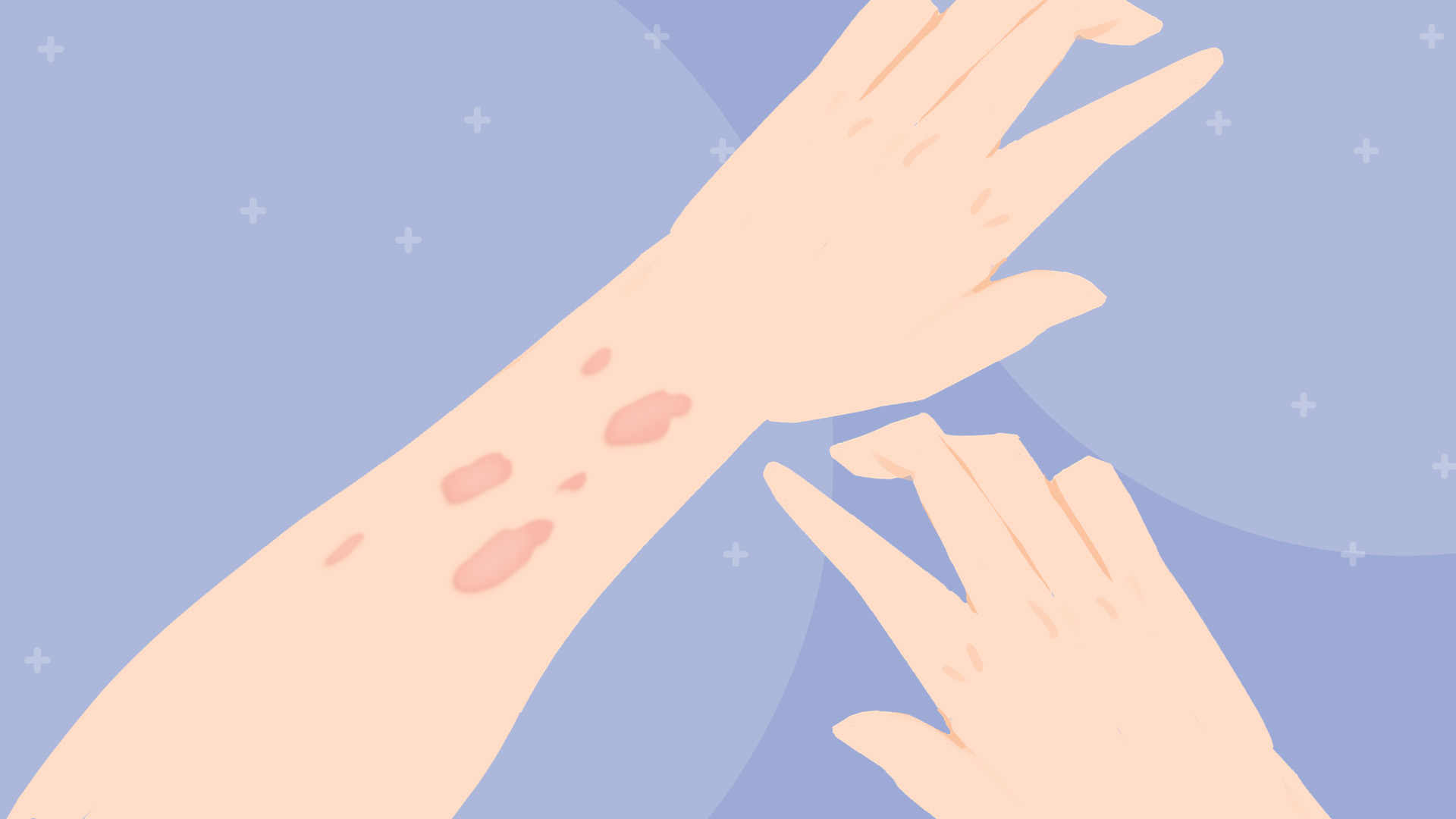
How to Manage Eczema
1. Maintain rigorous personal hygiene.
After developing eczema, adults should pay particular attention to personal hygiene—especially local skin cleanliness. Scratching must be strictly avoided, and the affected area should not be washed with hot water, soap, or other irritants.
2. Adhere strictly to prescribed medical treatment.
For adults with extensive or chronic eczema, consultation with a dermatology specialist is strongly recommended. Treatment must follow the physician’s instructions precisely. Self-diagnosis or non-professional interventions should be avoided, as they may delay optimal therapeutic intervention.
3. Practice dietary hygiene.
Individuals diagnosed with eczema should adopt a hygienic, balanced diet. High-calorie foods and “heat-inducing” (pro-inflammatory) foods—such as white spirits (baijiu) and seafood—should be avoided. Instead, incorporating cooling, anti-inflammatory foods may support eczema resolution.
The above outlines the primary causes and management strategies for red, itchy spots on the hands. We hope this information proves helpful.


