


Why do stretch marks itch in late pregnancy?
Itching associated with stretch marks in late pregnancy is often caused by urticaria—specifically, pruritic urticarial papules and plaques of pregnancy (PUPPP). This condition may spread to the thighs, breasts, arms, and other areas. Pregnant women should maintain good skin hygiene and avoid scratching the affected areas. Applying moisturizing lotions or massage creams to the affected sites can help alleviate symptoms. Women experiencing stretch marks in late pregnancy should also pay attention to bathwater temperature; in severe cases, topical calamine lotion may be used for treatment.
What Causes Itching from Stretch Marks in Late Pregnancy?
If a pregnant woman experiences intense itching accompanied by red, raised bumps appearing directly on her stretch marks, it is likely pruritic urticarial papules and plaques of pregnancy (PUPPP), also known as “polymorphic eruption of pregnancy.” These lesions may extend beyond the original stretch mark areas to involve the thighs, breasts, arms, and other regions. Since PUPPP typically emerges during periods of most rapid maternal weight gain, it is thought to be triggered by mechanical stretching of the skin.
Treatment for Mild Itching
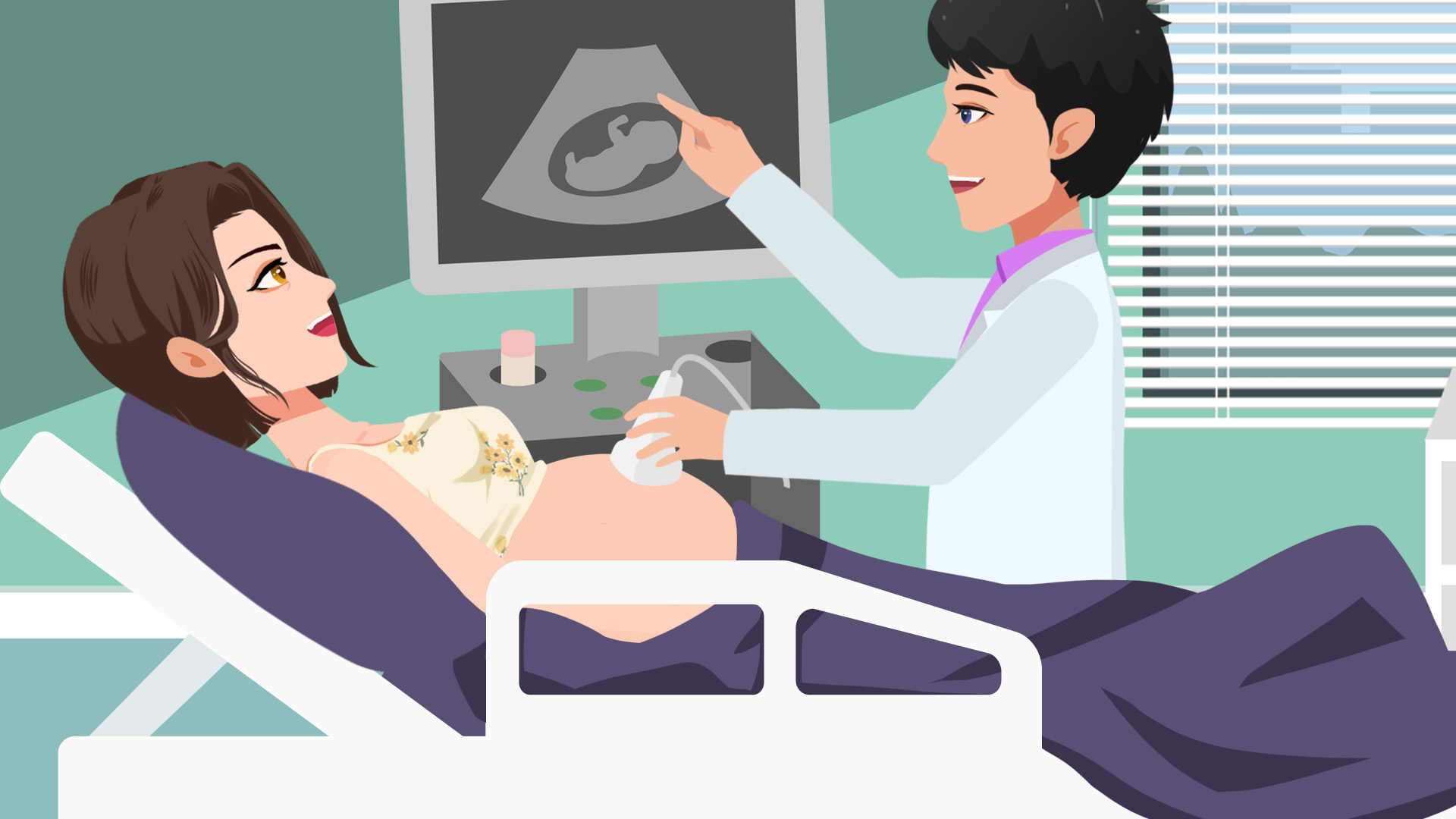
Scratching is not recommended during pregnancy to relieve stretch mark–related itching, as it provides no real relief and may instead trigger a persistent itch-scratch cycle. Although this does not endanger fetal health, it can cause significant discomfort for the mother. To ease mild itching, pregnant women may apply olive oil, moisturizing lotions, or massage creams as needed. Aloe vera gel is also effective in soothing symptoms and reducing the appearance of stretch marks. Fresh aloe vera possesses natural anti-inflammatory, antimicrobial, antipruritic, and skin-nourishing properties—making it especially suitable for use by pregnant and postpartum women. When bathing, water temperature should be kept slightly above body temperature—not excessively hot—to prevent damage to the skin’s protective lipid barrier. Additionally, maintaining general skin cleanliness helps minimize bacterial exposure and supports itch relief.
Treatment for Severe Itching
In cases of severe itching, a healthcare provider may prescribe topical treatments such as calamine lotion, dexamethasone lotion, or corticosteroid ointments. Oral antihistamines—for example, diphenhydramine—may also be recommended. Because these medications commonly cause drowsiness, they may improve nighttime sleep quality.
The above provides an overview of the causes and management of stretch mark–related itching in late pregnancy. We hope this information is helpful to you.


