


Causes of Urethral Pain During Urination in Males

Painful or burning urination (dysuria) in males may be caused by prostatitis, urethritis, or urinary tract stones. Therefore, the underlying cause can be differentiated based on associated symptoms. If dysuria results from urinary tract stones, urine often contains visible crystals and is typically accompanied by pain and increased frequency of urination. In contrast, prostatitis commonly causes painful ejaculation, dysuria, urinary urgency, and a burning sensation in the urethra.
Causes of Dysuria in Males
1. Dysuria Caused by Prostatitis
Dysuria in males may stem from prostatitis, which manifests in various forms—primarily classified as acute or chronic. Acute prostatitis often presents with dysuria and requires prompt medical intervention to prevent progression to more serious complications. Common symptoms include urinary frequency, urgency, dysuria, urethral discomfort or burning, difficulty voiding, discharge from the urethral meatus, and cloudy or whitish urine. Pain may also occur in the perineum, lower abdomen, or lumbosacral region, worsening with squatting, defecation, or prolonged sitting. Additionally, prostatitis may contribute to erectile dysfunction, premature ejaculation, nocturnal emissions, painful ejaculation, and impaired semen quality.
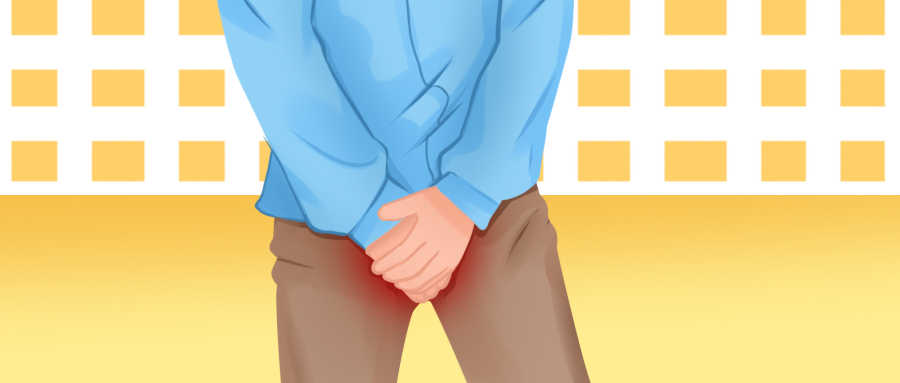
2. Dysuria Caused by Urethritis
Urethritis is primarily caused by bacterial infection of the male urethra. Thus, when men experience dysuria, timely professional evaluation is essential to determine the appropriate treatment strategy. Typical symptoms of urethritis include urinary frequency, urgency, dysuria, and difficulty voiding; urinary incontinence and urinary retention may also occur. Urethritis can lead to abnormal urine findings, such as bacteriuria, pyuria, hematuria, or pneumaturia.
3. Urinary Tract Stones
Urinary tract stones can induce dysuria, particularly during stone migration—e.g., when stones pass from the kidney through the bladder and into the urethra, irritating the urethral mucosa and causing sharp, stabbing pain. This type of dysuria is frequently accompanied by hematuria (blood in the urine), indicating a potentially severe condition. Initial diagnosis is typically achieved via renal and bladder ultrasound combined with urinalysis.
The above outlines the primary causes of dysuria in males. We hope this information proves helpful.


