


Which department should I visit for imaging tests for lower back pain?
Jan 15, 2022
Source: Cainiu Health

Dr. Lin Yunfei
Introduction
Patients with low back pain who require imaging examinations should visit the orthopedic outpatient clinic at a hospital. Low back pain is commonly caused by disorders affecting the lumbar spine. The orthopedic outpatient clinic primarily manages conditions related to the skeletal system, including joint dislocations, fractures, lumbar disc herniation, cervical spondylosis, osteoarthritis, bone tumors, meniscal tears, and avascular necrosis of the femoral head. It also addresses certain muscle-related disorders.
The choice of imaging modality depends on the patient’s age, nature of pain, and preliminary clinical suspicion. In orthopedics, three common imaging modalities are routinely used: X-ray, CT, and magnetic resonance imaging (MRI). So, which department should patients with low back pain visit for imaging? The following section addresses this question.
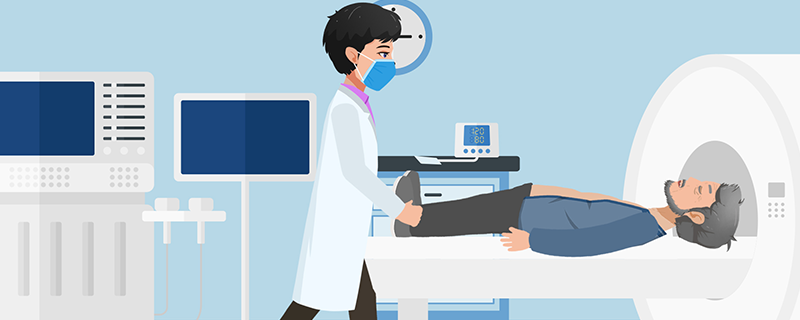
Which Department Should Patients with Low Back Pain Visit for Imaging?
Patients experiencing low back pain should visit the Orthopedics Outpatient Clinic for imaging examinations, as low back pain is commonly caused by pathological conditions affecting the lumbar spine or surrounding structures.
The Orthopedics Outpatient Clinic primarily manages disorders related to the musculoskeletal system. Common conditions include joint dislocations, fractures, lumbar disc herniation, cervical spondylosis, osteoarthritis, bone tumors, meniscal tears, and avascular necrosis of the femoral head. It also treats muscle-related disorders such as muscle strains, tenosynovitis, and tendon ruptures—most often resulting from trauma. When patients present with low back pain, it is frequently attributable to lumbar muscle strain or lumbar disc herniation. In such cases, evaluation at the Orthopedics Outpatient Clinic—including imaging studies such as CT, X-ray, or MRI—is essential to accurately diagnose the underlying condition and enable the physician to formulate an appropriate, individualized treatment plan based on the findings.
In daily life, patients may help alleviate symptoms by consuming calcium-rich foods—such as eggs, milk, lean meat, and beef—and ensuring adequate rest. Avoiding prolonged physical exertion and repetitive bending activities can also effectively reduce low back pain.
The above provides an overview of which department patients with low back pain should visit for imaging. We hope this information is helpful to you.





