


How to Prevent Pneumonia

Pneumonia is an inflammatory disease of the lungs caused by bacterial invasion, leading to localized infection and inflammation in the pulmonary tissue. Clinically, pneumonia can be fully cured with prompt and appropriate treatment. However, even after successful recovery, there remains a risk of recurrence. So, how can pneumonia be prevented? Below is an overview.
How to Prevent Pneumonia
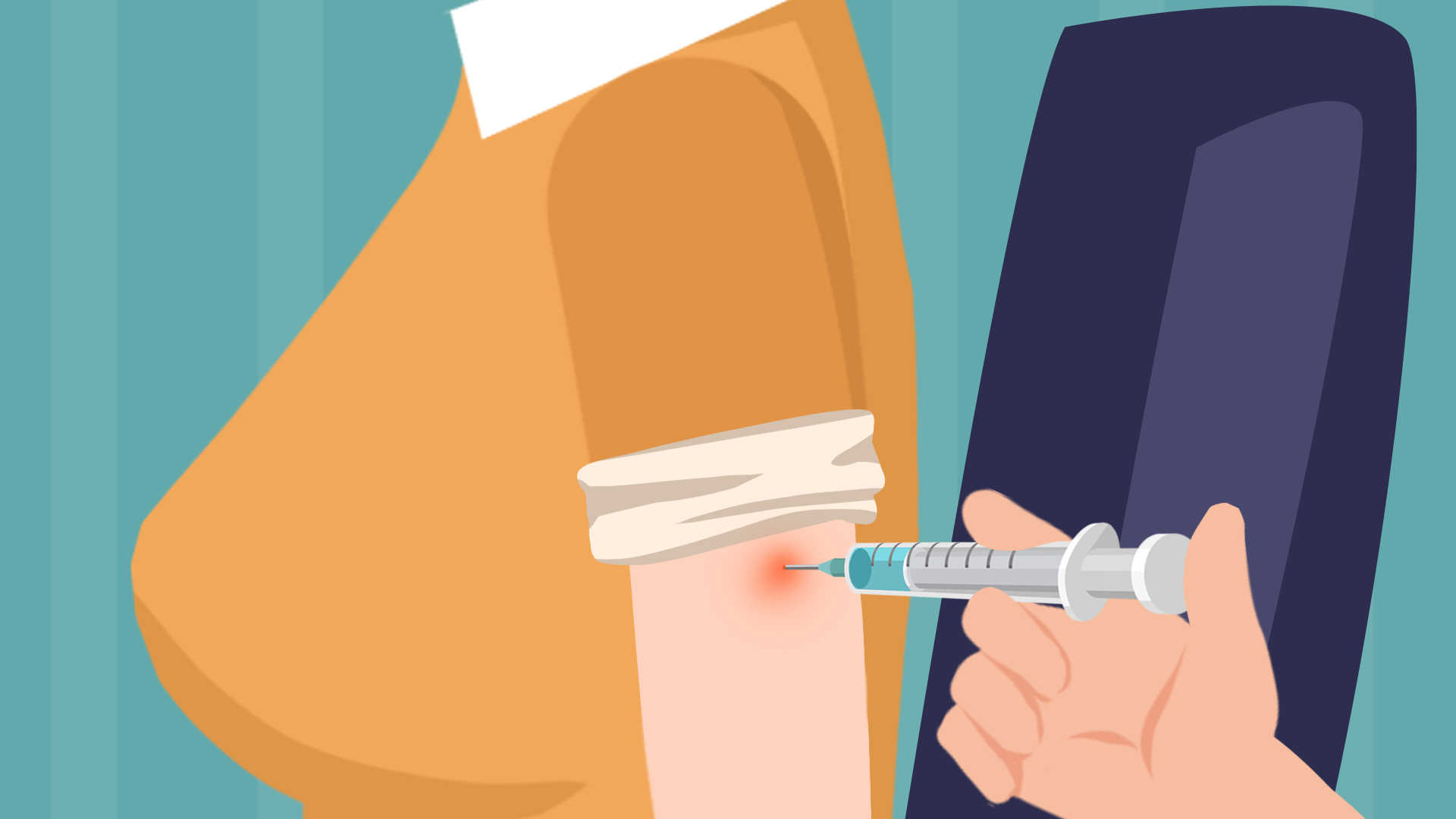
Vaccination: Vaccination is highly effective in preventing pneumonia—especially for children, older adults, individuals with chronic conditions such as chronic obstructive pulmonary disease (COPD) or diabetes, and those with immunodeficiency disorders. Commonly used vaccines include the pneumococcal vaccine and the influenza vaccine. The influenza vaccine helps prevent both viral pneumonia and secondary bacterial pneumonia. Since the strains of influenza virus change annually, vaccination should be repeated every year.
Avoid smoking and exposure to secondhand smoke, especially in public places. Smoking severely damages the tracheal mucosa and strongly irritates the lungs, making it one of the most common triggers of pneumonia.
How Pneumonia Is Treated
1. Antibiotic therapy: Antibiotic selection depends on the causative pathogen—whether bacterial or viral. For instance, Streptococcus pneumoniae infections are typically treated with penicillin; patients allergic to penicillin may receive cephalosporin antibiotics instead. Mycoplasma pneumonia is commonly managed with macrolide antibiotics such as erythromycin or clarithromycin.
2. For viral pneumonia, supportive care—including symptom management and adequate rest—is essential. Persistent fever may be treated with antipyretics such as ibuprofen.
3. Patients experiencing dyspnea may benefit from supplemental oxygen therapy. Bronchodilators—such as albuterol or terbutaline—may also be prescribed to improve respiratory function.
The above outlines key strategies for pneumonia prevention and treatment. We hope this information is helpful to you.


