


How to Prevent HIV Transmission

AIDS is an infectious disease. After the virus invades the body, it impairs immune function, damages the lymphatic system, and reduces its capacity, leaving patients with weakened resistance and susceptible to various illnesses. Therefore, proactive and appropriate preventive measures are essential. So, how can HIV/AIDS transmission be prevented? Below is an overview.
How to Prevent HIV/AIDS Transmission
HIV/AIDS is primarily transmitted through sexual contact, blood exposure, and mother-to-child transmission. Thus, the most effective preventive strategy is to interrupt these transmission routes, as detailed below.
1. Sexual Transmission:
A substantial proportion of HIV infections occur via sexual contact. Therefore, individuals are advised to practice sexual abstinence or fidelity, avoid casual or unprotected sex (including same-sex intercourse), maintain a single, mutually monogamous sexual partner, and consistently and correctly use condoms to ensure safer sexual practices.
2. Bloodborne Transmission:
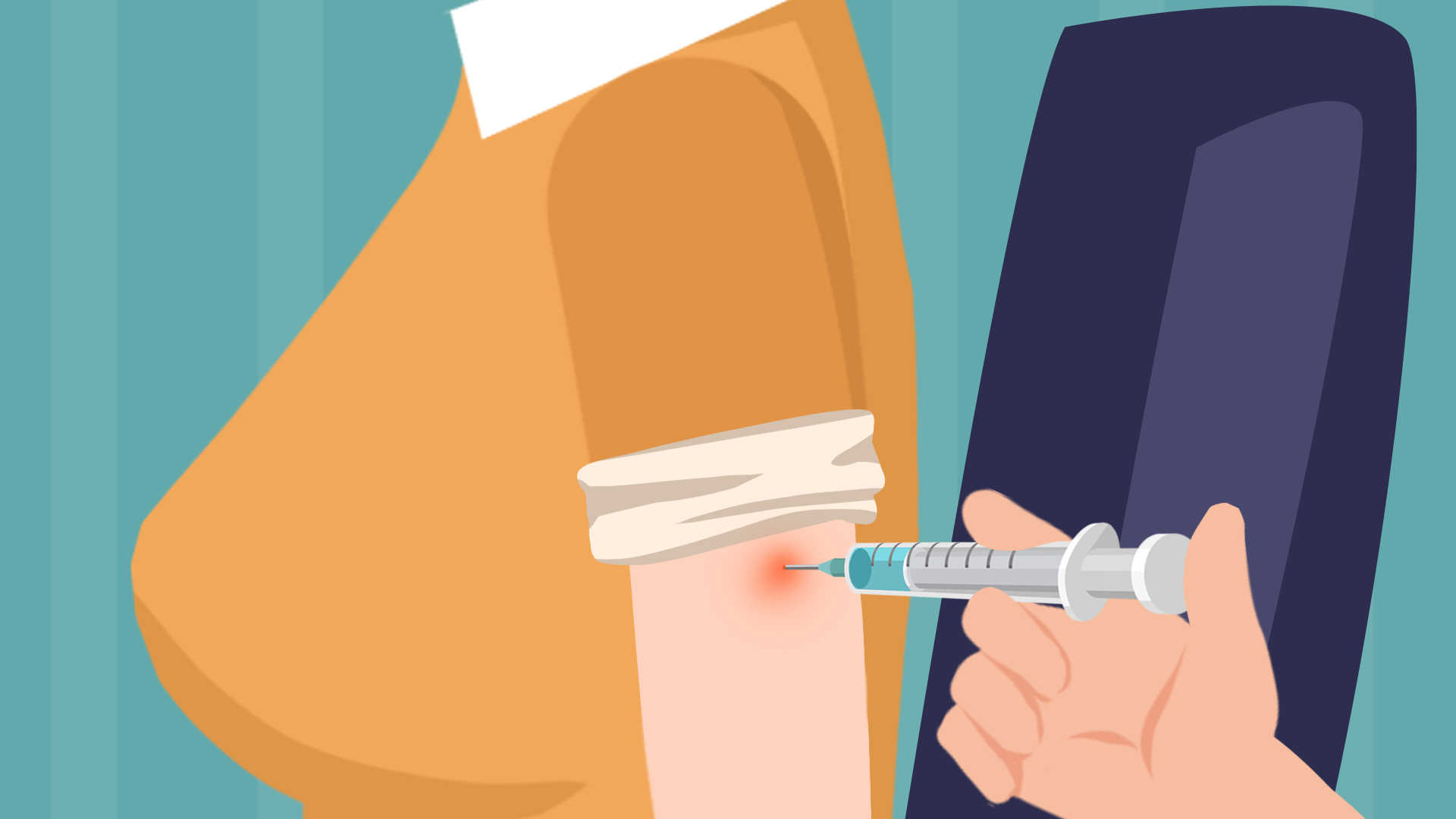
Individuals should avoid receiving blood transfusions or blood products at unregulated medical facilities. They should also refrain from undergoing diagnostic or therapeutic procedures using inadequately sterilized medical instruments at such facilities. Additionally, sharing personal items—such as toothbrushes or razors—should be avoided, as HIV may enter the body through breaks in the skin.
3. Mother-to-Child Transmission:
If HIV infection is detected during prenatal screening, antiretroviral therapy should be initiated before delivery—regardless of the mother’s CD4+ T-lymphocyte count—to reduce transmission risk. Prophylactic antiretroviral treatment should also be administered to both the fetus and newborn.
The above outlines key strategies for preventing HIV/AIDS transmission. As HIV/AIDS is a sexually transmissible infectious disease, prevention is far more effective than treatment. Individuals are strongly encouraged to adopt responsible, evidence-based behavioral practices to safeguard their health.


