


Is a CT scan still necessary if the physical examination shows normal lungs?

As public health awareness continues to rise, routine physical examinations every one to two years have become an essential component of a healthy lifestyle. However, faced with the wide array of available screening options, individuals often find it difficult to determine which tests are necessary. So, if your lungs appear normal on a routine physical exam, is a CT scan still required? Let’s explore this question further.
Is a CT Scan Necessary If Routine Lung Examination Results Are Normal?
The method used for lung examination during routine physicals varies by age group. Generally, for individuals under 40 years old—whether employees or private individuals—chest X-ray is the standard screening tool employed in hospitals. If the chest X-ray reveals no abnormalities in the lungs, a CT scan is typically unnecessary. However, if the X-ray detects indeterminate nodules, signs of inflammation, or suspected tumors, further evaluation with CT or MRI is warranted.
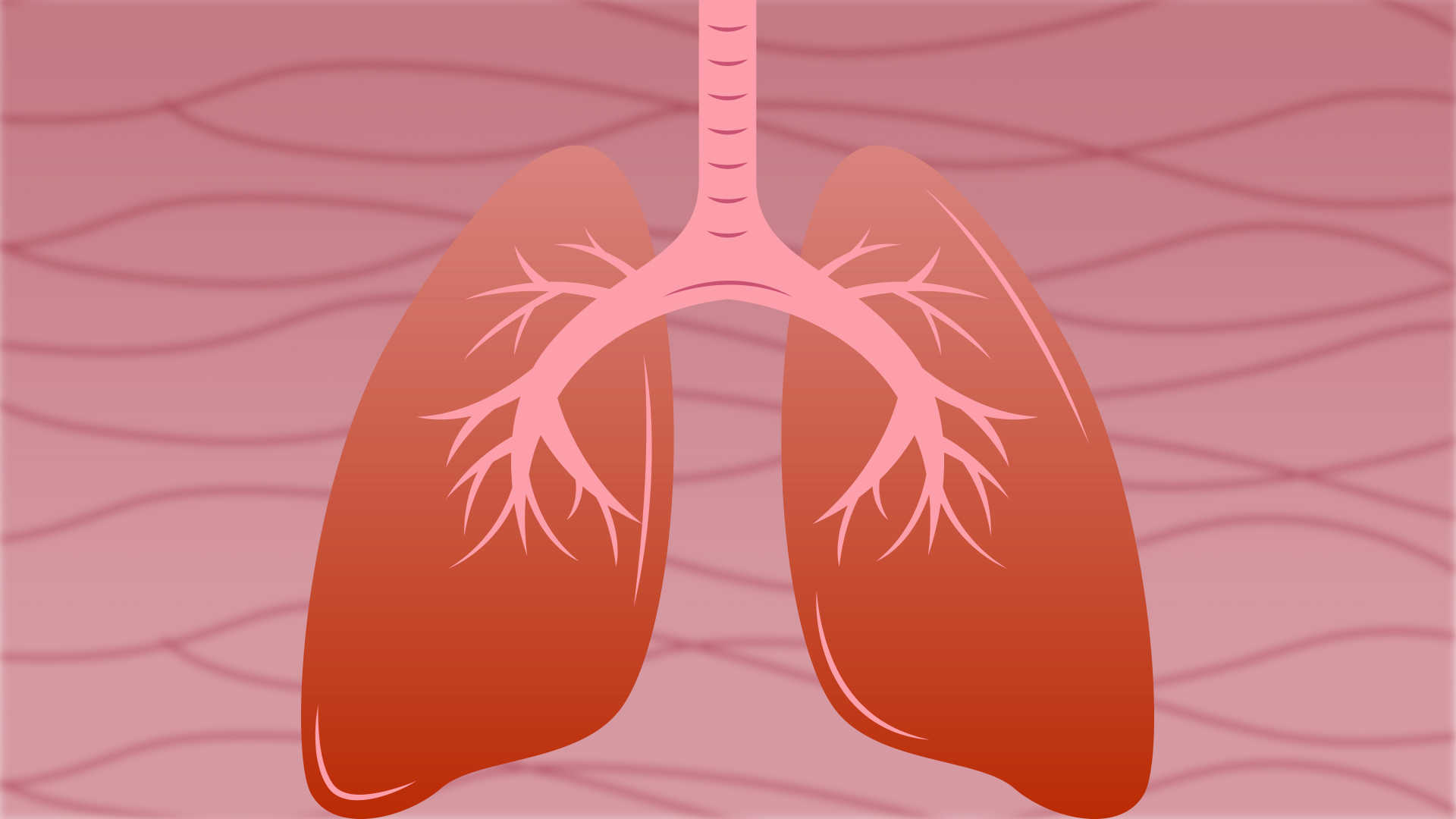
Therefore, under normal circumstances—if the chest X-ray yields completely unremarkable findings—there is generally no need to proceed with a CT scan. After all, CT scans are significantly more expensive than conventional X-rays and involve higher radiation exposure. Clinically, chest X-rays serve primarily as a screening tool to detect pulmonary inflammation, nodules, or tumors, enabling early detection, diagnosis, and treatment. Consequently, additional imaging—such as CT or MRI—is indicated only when abnormalities are identified on the initial chest X-ray.
Dietary recommendations should be tailored to individual circumstances. For those with normal chest X-ray results and no symptoms, no further diagnostic testing is needed. Instead, focus on adequate rest, moderate exercise, maintaining a positive mental outlook, and balanced nutrition—avoiding overly spicy foods and alcohol. Conversely, if the chest X-ray reveals abnormalities—or if the X-ray is normal but clinical symptoms (e.g., cold-like symptoms) are present—further investigation is advisable. In such cases, dietary adjustments include consuming light, non-greasy meals and avoiding spicy foods.
The above provides an overview of whether a CT scan is necessary when routine lung examination results are normal. We hope this information proves helpful to you.


