


What Causes Stomach Acid?

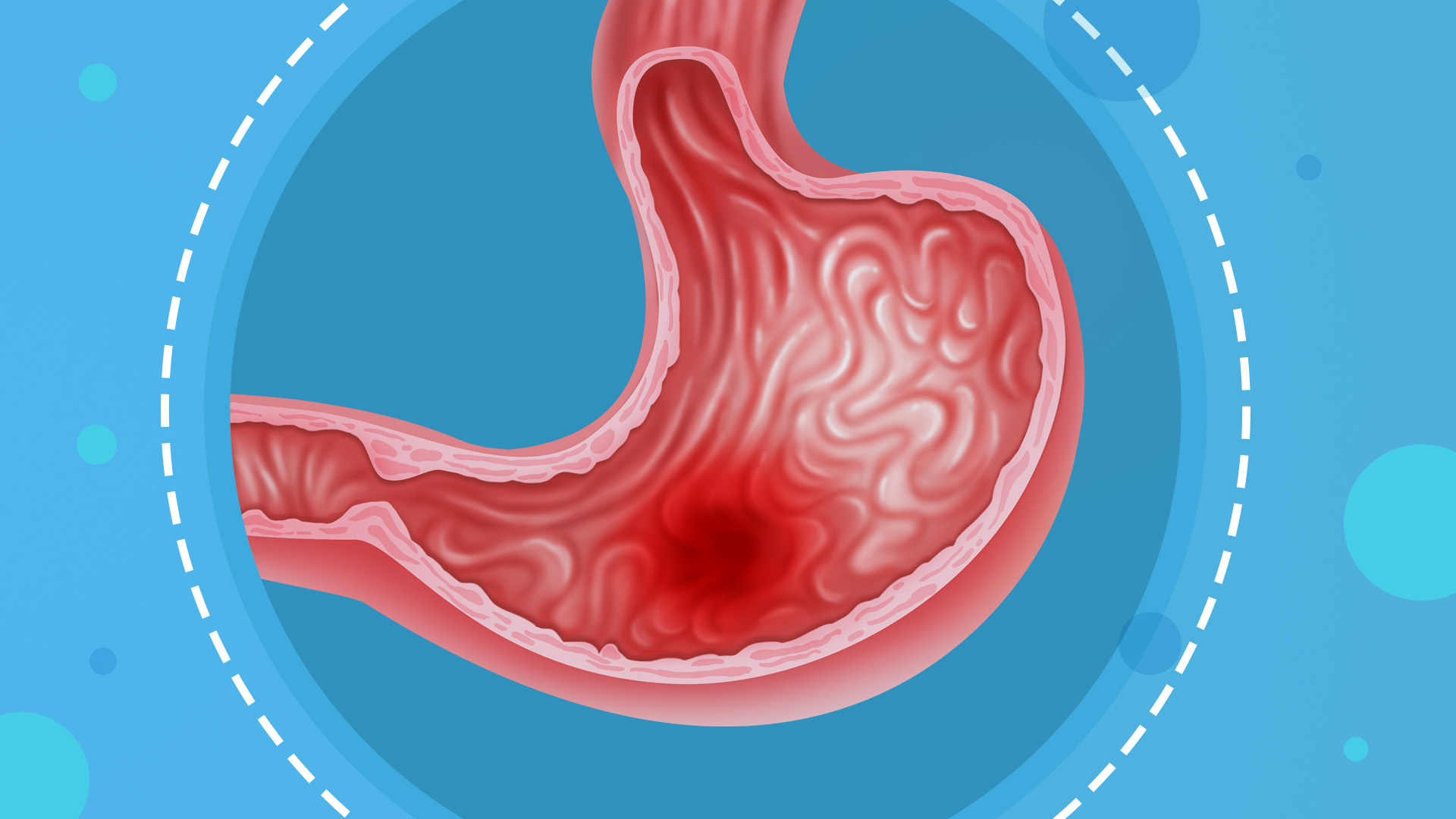
Clinically, excessive gastric acid often irritates the gastric mucosa, leading patients to experience heartburn—a burning sensation in the chest or upper abdomen. In addition to this burning pain, patients frequently suffer from acid reflux (regurgitation of stomach acid into the esophagus), a hallmark symptom of hyperchlorhydria (excess gastric acid secretion). So, what causes excessive gastric acid? Let’s explore the underlying reasons below.
Causes of Excessive Gastric Acid
There are numerous factors contributing to gastric acid overproduction and acid reflux, primarily falling into two categories:
1. Physiological Causes: Mental stress, excessive fatigue, and emotional distress can disrupt the normal functioning of the cerebral cortex, impairing its regulatory control over the nerves governing gastric acid secretion—thus triggering increased acid production. Dietary habits also play a key role: overly sweet, salty, sour, spicy, cold, or hot foods can all stimulate excess gastric acid secretion. Additionally, certain starchy foods—including coarse grains, sweet potatoes, and potatoes—contain high levels of starch and organic acids that irritate the stomach and promote substantial gastric acid release. Undigested food residues may similarly provoke heightened acid secretion.
2. Pathological Causes: Hyperchlorhydria is commonly associated with conditions such as duodenal ulcers, chronic gastritis, gastroesophageal reflux disease (GERD), and cholecystitis. Patients with excessive gastric acid are advised to consume alkaline-rich foods—for example, dairy products, spinach, and Chinese cabbage—as well as fresh fruits and vegetables. Conversely, acidic foods—such as legumes, peanuts, and vinegar—should be consumed sparingly. A low-fat, low-sugar diet is generally recommended.
How to Manage Heartburn Caused by Excess Gastric Acid
1. Massage Therapy
Manual pressure applied to the Zhongwan acupoint (CV12)—located midway along the line connecting the xiphoid process and the umbilicus—can help alleviate heartburn. Apply gentle but firm pressure for several seconds at a time, repeating the maneuver multiple times as needed.
2. Dietary Modifications
Milk, rice porridge, and oatmeal are particularly effective in neutralizing gastric acid. Patients are encouraged to incorporate these foods regularly into their diet. Portion control is equally important—meals should be moderate in size, as overeating can exacerbate symptoms.
The above outlines the primary causes of excessive gastric acid secretion. We hope this information proves helpful to you.


