


What should I do for nighttime acid reflux?
Jan 18, 2022
Source: Cainiu Health

Dr. Lu Chaohui
Introduction
What to do for nighttime acid reflux:
First, remain in an upright (seated) position. Avoid taking medications indiscriminately.
Second, drink some warm water to dilute the upward-flowing gastric acid and reduce its damaging effects on the digestive tract and oral cavity.
Third, if you are fasting (i.e., your stomach is empty), eating a few soda crackers may help alleviate discomfort caused by acid reflux.
Fourth, if the acid reflux occurs due to overeating or eating too close to bedtime, adjust your meal timing and portion size accordingly.
Gastroesophageal reflux—commonly referred to as “acid regurgitation”—typically occurs after meals and during nighttime, often accompanied by heartburn. It refers to the backward flow of gastric contents into the esophagus and up to the oropharynx, resulting in a sour or acidic taste in the mouth.Many patients experience acid regurgitation at night—particularly during sleep—which may abruptly awaken them and even lead to sleep disturbances. So, what should one do when experiencing acid regurgitation at night? Let’s explore some practical approaches below.
What to Do When Experiencing Acid Regurgitation at Night
1. Maintain an upright, seated position. Avoid taking medications indiscriminately.
2. Drink some warm water to help dilute ascending gastric acid and reduce its damaging effects on the upper digestive tract and oral cavity.
3. If fasting, consume a few soda crackers, which may help alleviate discomfort caused by acid reflux.
4. If acid reflux is triggered by overeating or eating too close to bedtime, get up and engage in light physical activity.
5. Seek medical evaluation. Under professional guidance, further diagnostic tests can be performed to identify the underlying cause of reflux.
In treating gastroesophageal reflux, proton pump inhibitors (PPIs) are currently among the most commonly prescribed medications. These agents effectively suppress gastric acid production, thereby reducing the likelihood of acid entering the esophagus. Patients with severe symptoms may require long-term medication to maintain symptom control.
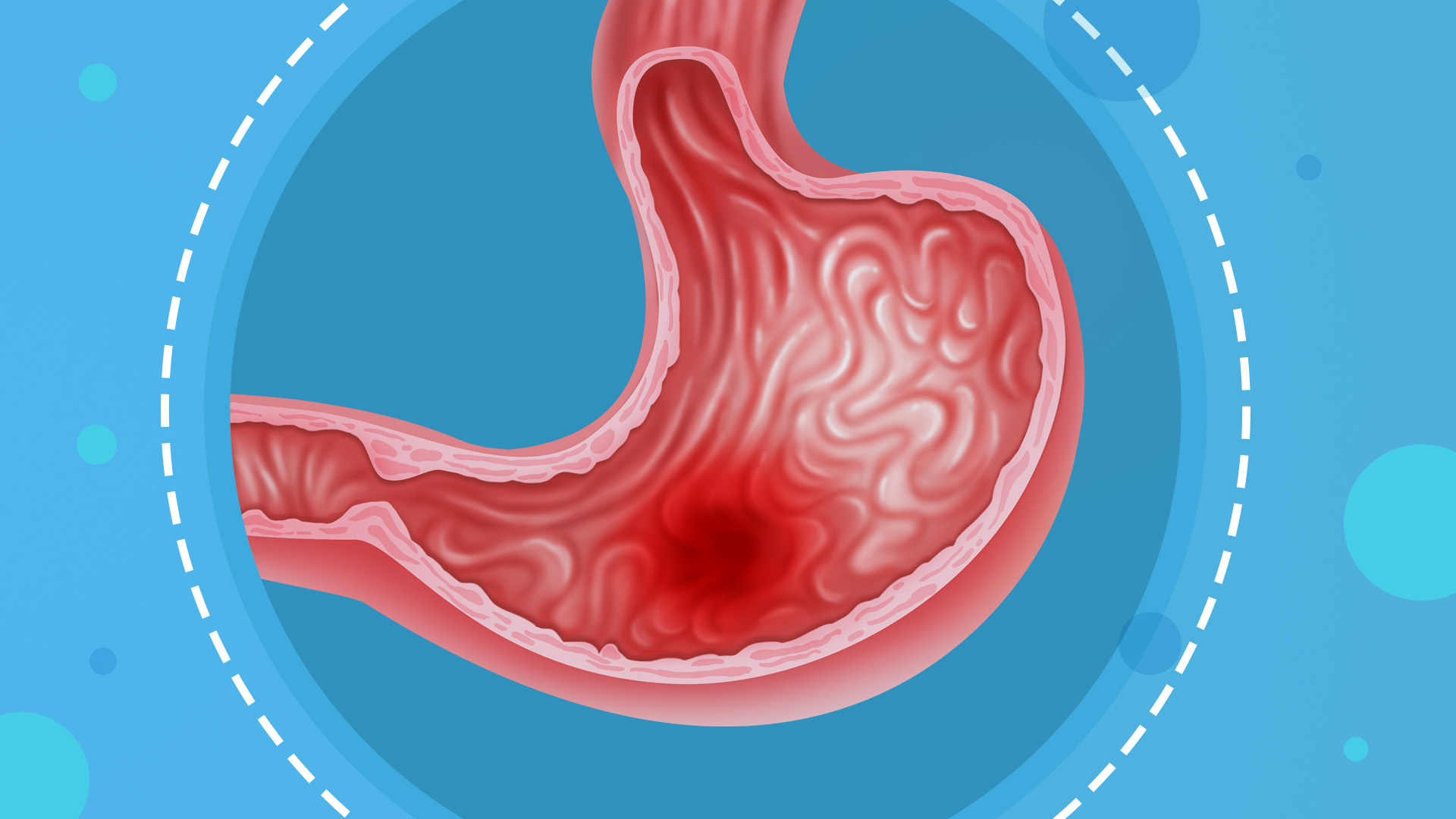
Causes of Acid Regurgitation
1. Gastric Disorders
Acid regurgitation may result from gastric acid stimulation of gastric sensory receptors and is associated with gastroesophageal reflux disease (GERD), gastritis, gastric ulcers, duodenal ulcers, dyspepsia, and even functional gastrointestinal disorders. However, abnormal gastric acid secretion remains the primary contributor. Additionally, medications that damage the gastric mucosa—such as nonsteroidal anti-inflammatory drugs (NSAIDs)—can also provoke acid regurgitation.
2. Dietary Factors
Overeating, rapid eating, binge eating, or consuming spicy foods, alcohol, strong tea, or coffee can all act as irritants. Irregular eating patterns place excessive stress on the gastrointestinal tract, impairing its function and increasing susceptibility to irritation—leading to heightened gastric acid secretion and subsequent acid regurgitation.
The above outlines practical strategies for managing nocturnal acid regurgitation. We hope this information proves helpful to you.






