


What Is Pulmonary Encephalopathy?

Pulmonary encephalopathy—also known as the pulmonary-cardio-cerebral syndrome—commonly occurs in patients with chronic pulmonary or thoracic diseases. It is a neuropsychiatric disorder caused by carbon dioxide retention secondary to hypoxia and hypercapnia.
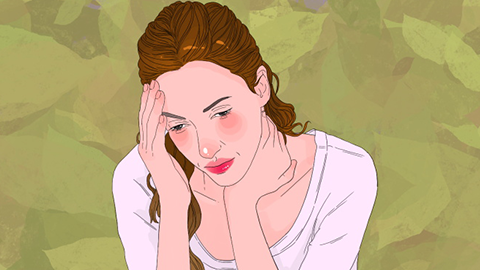
What Is Pulmonary Encephalopathy?
If left untreated, pulmonary encephalopathy poses significant risks to the body. Not only does it impair pulmonary function, but it also causes damage to the brain. Furthermore, this condition may lead to various complications affecting multiple organ systems—including vision, the cardiovascular system, the musculoskeletal system, and the nervous system.
The primary clinical manifestations of pulmonary encephalopathy include headache, dizziness, impaired memory, reduced work capacity, and general lethargy. As the condition progresses, patients may develop disturbances in consciousness, such as somnolence, stupor, or even coma.
Treatment of pulmonary encephalopathy begins with oxygen therapy to correct hypoxia and alleviate respiratory symptoms associated with carbon dioxide retention. Second, controlling respiratory tract infection is essential; antibiotics such as levofloxacin or azithromycin may be administered. Third, if sputum production is present, mucolytic agents (e.g., ambroxol) can be used. Finally, in cases of respiratory failure, endotracheal intubation or tracheostomy may be required to improve ventilation.
In daily life, patients should prioritize adequate rest and avoid excessive physical exertion or staying up late. Moderate physical exercise and outdoor activities are encouraged.
Dietary recommendations include light, easily digestible meals, eaten frequently in small portions, with balanced nutrition and ample hydration. A low-salt, low-calorie, high-protein diet rich in lecithin is advised—foods such as fish, shrimp, rice, wheat-based products, eggs, pork, lamb brain, and carrots are suitable. Patients should avoid spicy, excessively cold or hot foods, allergenic or irritating items—including chili peppers, cold beverages, oysters, shellfish, coffee, and cola.
We hope the above information is helpful. Wishing you a healthy and joyful life!


