


How to Determine if Your Liver and Kidney Function Is Impaired

To assess whether your liver and kidney functions are impaired, observe several key signs: dark or yellowish complexion, edema in both lower limbs or generalized swelling, elevated blood pressure, and tenderness upon percussion over the bilateral renal areas. But how exactly can you determine the specific nature of your liver and kidney dysfunction? Below, we address this question.
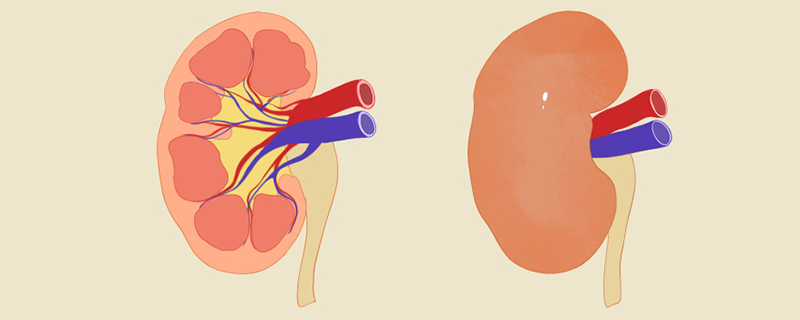
How to Assess Impaired Liver and Kidney Function
1. Darkened Complexion and Generalized Edema
Liver dysfunction manifests primarily due to increased estrogen, tyrosinase, and melanocyte-stimulating hormone levels. When liver or kidney disease leads to proteinuria—especially massive proteinuria—and hypoalbuminemia, patients often develop edema in both lower limbs, periorbital swelling, and generalized edema. Treatment should be guided by a physician and may include diuretics such as furosemide tablets, torasemide capsules, or irbesartan/hydrochlorothiazide tablets. In cases of severe liver or kidney impairment progressing to uremia, renal replacement therapies—including hemodialysis, peritoneal dialysis, or even combined liver-kidney transplantation—may be required.
2. Elevated Blood Pressure
Patients with kidney disease commonly experience impaired water and salt excretion, resulting in sodium and water retention, increased intravascular volume, and consequently, edema and hypertension. For renally induced hypertension, antihypertensive agents with minimal nephrotoxicity are preferred—such as compound captopril tablets, enalapril maleate tablets, or losartan potassium tablets. Dosage and administration must be determined under medical supervision, with close monitoring of blood pressure. A low-salt, low-fat diet is essential; avoid excessively greasy foods.
3. Tenderness Upon Percussion Over the Renal Areas
Reduced glomerular filtration rate may cause cardiac congestion and subsequent renal capsule tension, leading to bilateral renal pain. If percussion over the renal areas elicits pain, prompt medical evaluation is advised—including renal function tests (e.g., renal ultrasound, renal angiography, and routine blood and urine analyses)—to identify the underlying cause and initiate targeted treatment.
We hope the above information is helpful to you.


