


How is vaginal trichomoniasis treated?

Trichomonas vaginitis is an inflammatory condition caused by infection with *Trichomonas vaginalis*, a protozoan parasite. If left untreated, this infection may ascend into the upper genital tract, leading to reproductive system disorders and, in severe cases, infertility. So, how is *Trichomonas vaginalis* treated? Let’s explore the options below.
How is *Trichomonas vaginalis* treated?
Oral metronidazole tablets are the primary treatment for trichomoniasis. Metronidazole inhibits microbial protein synthesis and cell proliferation, making it highly effective and safe against *Trichomonas vaginalis*. In severe cases, concurrent vaginal administration may be recommended alongside oral therapy. Common side effects include nausea, diarrhea, headache, and dizziness. Metronidazole should be avoided during the first trimester of pregnancy, and alcohol consumption must be strictly prohibited while taking this medication.
Since an acidic environment inhibits the growth and reproduction of *Trichomonas vaginalis*, local vaginal irrigation with 1% lactic acid or 0.5% acetic acid solution—once or twice daily—is recommended. Additionally, vaginal suppositories containing lactic acid or metronidazole may be inserted deeply into the vagina once nightly for ten consecutive days as one treatment course.
During treatment, sexual intercourse should be avoided. The external genitalia should be cleaned regularly, and undergarments changed frequently. When appropriate, both partners should undergo simultaneous examination and treatment. For recurrent cases, after achieving initial cure, one to two additional vaginal applications may be administered following completion of menstruation—repeated over three consecutive menstrual cycles—to ensure complete resolution.
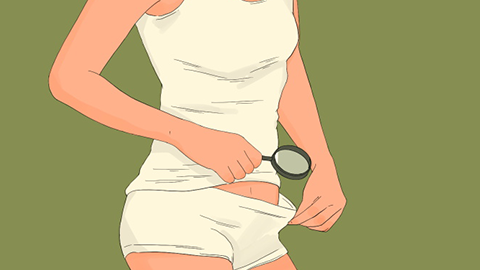
How is trichomonas vaginitis treated?
1. Intravaginal medication
One tablet of metronidazole vaginal effervescent tablets or standard metronidazole tablets is inserted intravaginally each night after vaginal irrigation. A full course lasts ten days.
2. Traditional Chinese herbal washes
Decoctions prepared from traditional Chinese herbs with heat-clearing, detoxifying, anti-parasitic, and pruritus-relieving properties can be used externally to wash the vulva. These effectively alleviate vulvar inflammation caused by trichomoniasis—especially in acute cases. Integrating traditional Chinese medicine with Western medical approaches yields excellent therapeutic outcomes for trichomonas vaginitis.
3. Modifying vaginal pH
*Trichomonas vaginalis* thrives best at a pH of 5.5–6.0. Therefore, vaginal irrigation with chlorhexidine acetate solution helps lower vaginal pH, thereby suppressing trichomonal growth and achieving therapeutic efficacy against trichomonas vaginitis.
We hope the above information is helpful to you.


