


What medications are used to treat genital warts?

Genital warts—also known as condyloma acuminatum, venereal warts, vulvar warts, genital warts, or anogenital warts—are the third most common sexually transmitted infection (STI), following non-gonococcal vaginitis and gonorrhea. They are primarily transmitted through sexual intercourse but may also spread via indirect contact with contaminated objects. So, what medications are used to treat genital warts? Let’s explore this further.
Medications for Treating Genital Warts
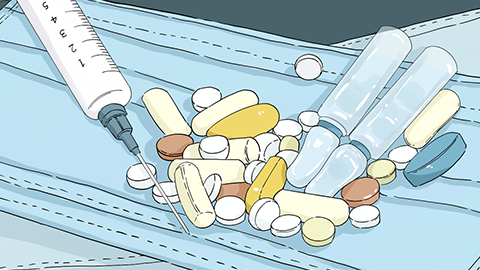
1. 0.5% podophyllotoxin tincture: Indicated for treating genital warts measuring less than 10 mm in diameter. Its clinical cure rate reaches approximately 90%. The total treated surface area should not exceed 10 cm², and the total dosage administered per application must not exceed 0.5 mL. After application, allow the medication to dry naturally on the skin. The primary adverse effects are local irritations, including pruritus, burning pain, erythema, erosion, and necrosis. Importantly, this drug is teratogenic; therefore, it is strictly contraindicated during pregnancy.
2. 80–90% trichloroacetic acid (TCA) or bichloroacetic acid (BCA): Administration must be performed by a healthcare professional. A small amount of the solution is applied directly onto the wart lesion and allowed to dry, forming a characteristic white frost-like layer on the surface. During treatment, care must be taken to protect surrounding healthy skin and mucosa. If excess solution is inadvertently applied, talcum powder or sodium bicarbonate may be used to neutralize unreacted acid.
Early Symptoms of Genital Warts
1. When warts involve the urethra, patients may experience urethral discomfort, urinary overflow, gross hematuria, urethral discharge, a sensation of urethral obstruction, dysuria, or urinary hesitancy. These symptoms tend to be more pronounced in males than in females.
2. During the development and progression of genital warts, the majority of patients remain asymptomatic—without subjective symptoms such as pruritus or pain. Only a very small number report mild local pruritus or stinging pain.
3. When lesions occur in the anal or rectal region, patients may experience a sensation of fullness or pressure in the anus, hematochezia, constipation, or pain during defecation.
4. Genital warts commonly develop in warm, moist areas where local secretions increase, thereby raising susceptibility to bacterial infection. Secondary bacterial infection may manifest as localized erythema, pain, erosion, ulceration, necrosis, exudation, or frank purulent discharge.
We hope the above information is helpful to you.


