


Early Symptoms of Gastric Cardia Cancer
Cardiac gastric cancer refers to adenocarcinoma arising within approximately 2 cm of the gastroesophageal junction (GEJ), i.e., the area where the esophagus meets the stomach. Infection with Helicobacter pylori is closely associated with the development of distal gastric tumors, whereas alcohol consumption and smoking are major risk factors for cardiac gastric cancer. In China, the incidence and mortality rates of cardiac gastric cancer rank among the highest across all malignant tumors. So, what are the early symptoms of cardiac gastric cancer? Let’s explore them below.
Early Symptoms of Cardiac Gastric Cancer
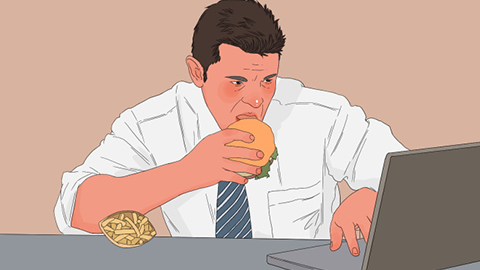
In its early stages, cardiac gastric cancer often presents with no obvious symptoms. Some patients may experience dry mouth, bitter taste, or chills; mild retrosternal pain; or a sensation of food sticking or a foreign-body feeling during swallowing. Symptoms may worsen following physical exertion or fatigue. Mild epigastric distension or discomfort may also occur. As the disease progresses, patients may develop pain in the interscapular region or behind the sternum, upper abdominal pain, hematemesis, melena, dysphagia, or esophageal obstruction. Major etiological factors include irregular eating habits; frequent consumption of raw, cold, hard, spicy, or excessively hot foods; ingestion of spoiled food; hyperplasia of the cardia mucosal epithelium; and reflux esophagitis.
Treatment Options for Cardiac Gastric Cancer
Surgical resection remains the primary effective treatment. For lesions smaller than 1 cm in diameter, endoscopic mucosal resection (EMR) or endoscopic submucosal dissection (ESD) may be performed. For larger, non-metastatic tumors, partial gastrectomy or total gastrectomy is indicated. In advanced cases with metastasis—where surgery is no longer feasible—endoscopic dilation can alleviate obstructive symptoms. Postoperative adjuvant radiotherapy and chemotherapy help suppress tumor growth and metastasis. Oral administration of ginsenosides may also inhibit cancer cell proliferation and enhance immune function.
After surgical resection for cardiac gastric cancer, patients may consume liquid or semi-liquid foods, such as noodles, millet porridge, rice congee, corn porridge, jujube porridge, milk, steamed egg custard, and tofu. Fresh vegetables—such as carrots, Chinese cabbage, and shiitake mushrooms—should be thoroughly cooked until soft before consumption. Patients should also eat fresh fruits daily to ensure adequate intake of essential vitamins.
We hope the above information is helpful to you.


